Search for:
Understanding Smart Pressure & Differential Pressure Transmitters – A Guide for Modern Industries

In today’s industrial environment, precision, reliability, and automation are critical. Industries such as Oil & Gas, Power, Chemical, and Pharma depend on accurate pressure measurement to ensure safety and efficiency. Smart pressure transmitters and differential pressure transmitters are the backbone of modern automation and process control.

At Japsin Instrumentation, we supply advanced, field-proven pressure measurement solutions designed to perform in demanding applications.

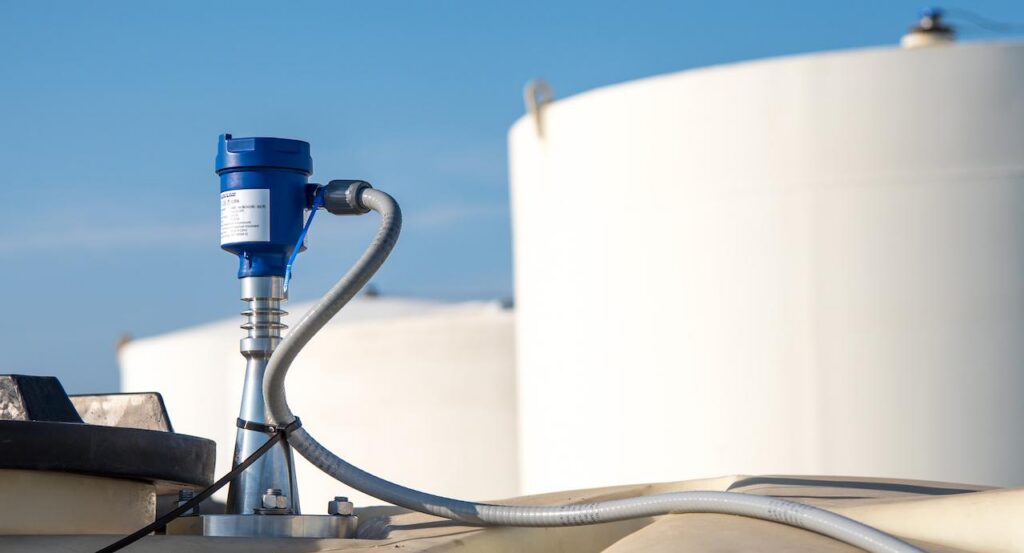
Smart Pressure Transmitter
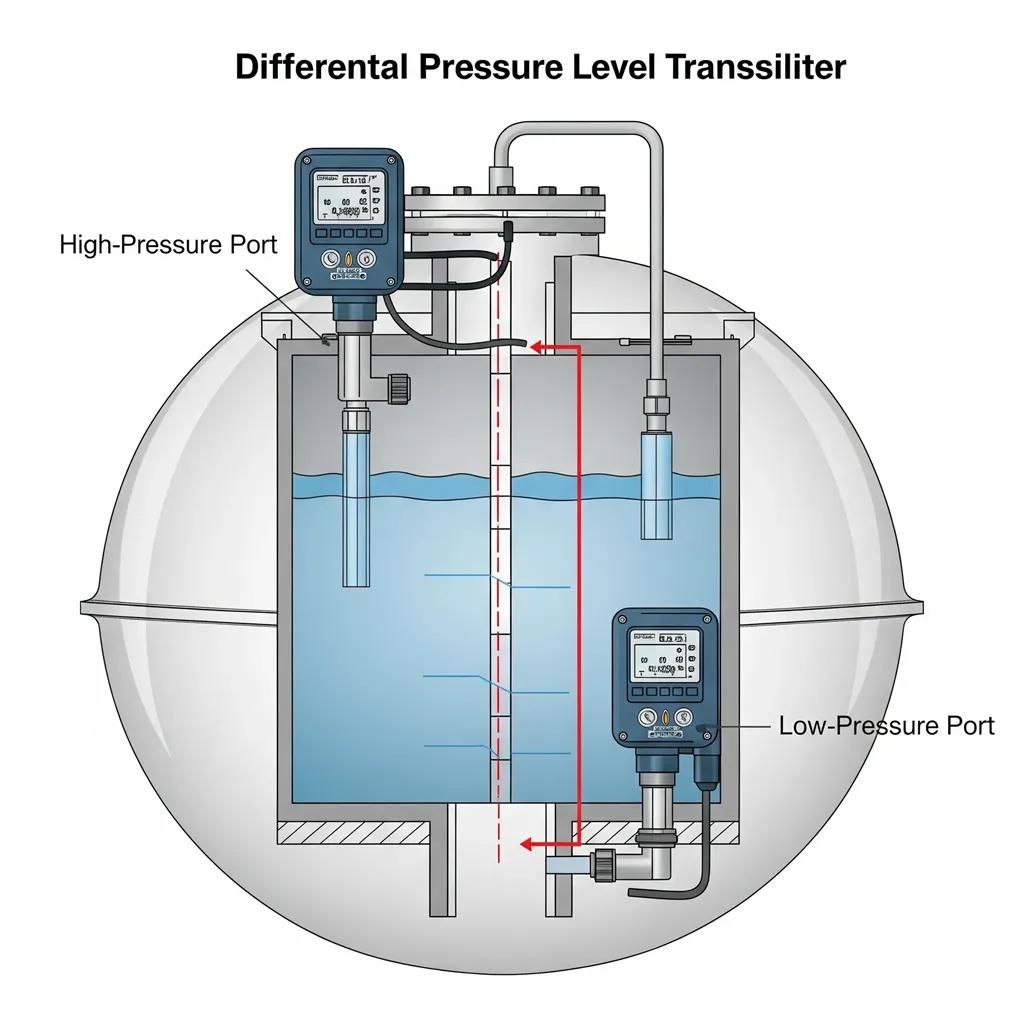
Smart Differential Pressure Transmitter

What is a Pressure Transmitter?

A pressure transmitter converts applied pressure into a standardized electrical output signal, commonly 4–20 mA, used for monitoring and controlling process pressure.

Smart transmitters enhance this by offering:

  • Digital communication
  • Self-diagnostics
  • Higher accuracy
  • Remote calibration and configuration

Smart Pressure Transmitters – The modern industry standard

A smart pressure transmitter uses a capacitance-based sensing element to measure pressure, then digitally conditions and transmits the signal to a control system such as PLC, DCS, or SCADA.

Key Advantages

  • High accuracy with low drift
  • Rugged die-cast aluminum housing
  • Intrinsically safe and explosion-proof variants
  • Compatible with corrosive, viscous & crystallizing media
  • Optional local LCD/LED indication
  • 4–20mA + HART/Profibus PA communication

Typical Applications

  • Boiler and steam pressure
  • Gas lines and compressors
  • Hydraulic pressure monitoring
  • Process automation in refineries
  • Water distribution networks

Differential Pressure Transmitters – Why they matter

A Differential Pressure (DP) transmitter measures the difference between two pressurized points. It is essential for applications where differential measurement is required rather than absolute pressure.

Typical Uses

  • Filter health monitoring
  • Flow measurement using orifice plates
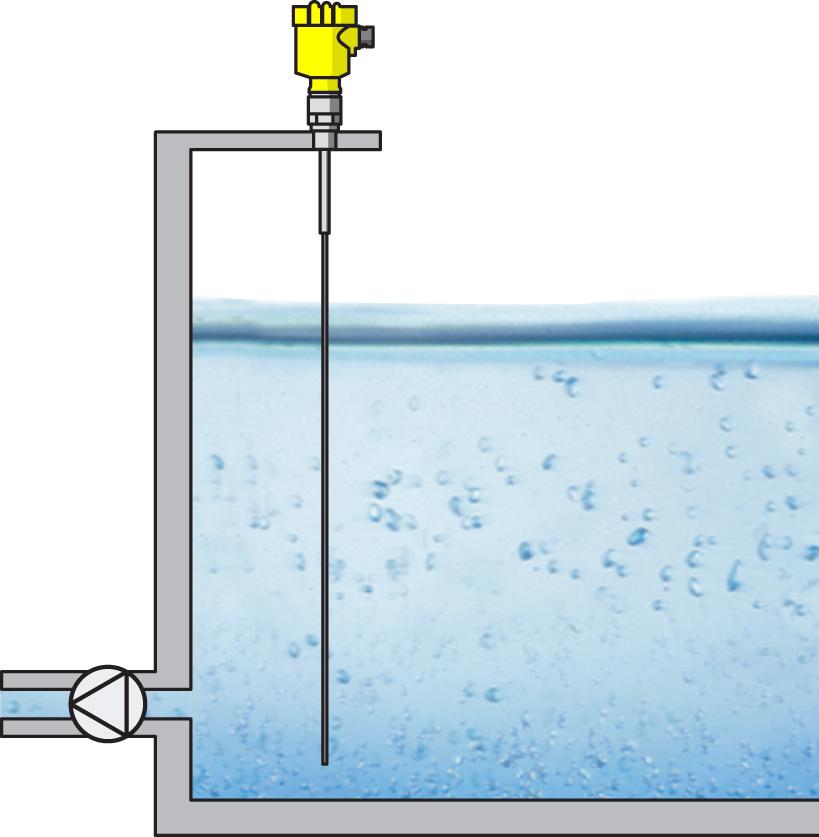
  • Level measurement in sealed tanks
  • HVAC clean room pressure control
  • Pump monitoring and control

Benefits

  • High turn-down ratio
  • Stable response and repeatability
  • Excellent overload protection
  • Low temperature influence
  • Flexible mounting options

How These Transmitters Improve Plant Performance

✔ Enhanced safety through continuous monitoring
✔ Reduced downtime due to self-diagnostics
✔ Accurate readings improve control loop stability
✔ Digital communication simplifies troubleshooting and calibration
✔ Long service life reduces maintenance cost

Modern smart transmitters provide analytics and predictive diagnostics to prevent failures before they occur—aligning with Industry 4.0 strategies.


Where Smart Pressure & DP Transmitters Are Used

These instruments are widely adopted in:

  • Oil & Gas terminals & pipelines
  • Fertilizer & petrochemical plants
  • Pharmaceutical clean processes
  • Water & wastewater SCADA systems
  • Steel mills & cement plants
  • Marine & offshore applications

Why Choose Japsin Instrumentation?

We provide not just instruments, but engineered solutions.

Our offering includes:

  • International quality-certified transmitters
  • Expert configuration support
  • On-site commissioning assistance
  • Repair/calibration services traceable to NABL

With decades of experience in industrial measurement systems since 1974, Japsin delivers reliable, cost-effective, and proven products for real-world challenges.

Multifunction Calibration Test Bench – Pressure & Temperature

Modern industrial plants depend on accurate measurement and reliable instrumentation. Whether it’s pressure, temperature, electrical signals or pneumatic controls — every parameter must be calibrated regularly to ensure system integrity and safety.

Traditionally, different instruments required multiple calibration setups, increasing cost, floor space, and technician time.

Today, industries are moving toward smarter, integrated systems

A multifunction calibration test bench brings all calibration capabilities into a single workspace. It is specially engineered for calibration labs, instrument workshops, and industrial QA/QC departments that require efficiency, precision, and traceability.


Why Calibration Test Benches Are Becoming Essential

Industries such as Oil & Gas, Petrochemicals, Pharmaceuticals, Power, and Manufacturing rely on thousands of field instruments.

Periodic calibration ensures:

✔ Accuracy of transmitted readings
✔ Preventive maintenance
✔ Safety compliance
✔ Reduced downtime
✔ Improved process efficiency

A dedicated multifunction test bench simplifies calibration workflows and saves cost in the long term.


What Makes Our Multifunction Calibration Bench Unique?

Our integrated bench is designed keeping industrial challenges in mind. Rather than connecting scattered equipment and cables, the bench consolidates all modules safely.

🔍 Highlights include:

  • Pressure calibration – pneumatic & hydraulic
  • Temperature calibration with dry block
  • Electrical calibration via multifunction calibrator
  • Inbuilt regulated power and socket panels
  • Vacuum/pressure pumps integrated at panel
  • ON/OFF illuminated switching for safety
  • Storage cabinets + accessories included

Each module is panel mounted, ensuring neat wiring and quick instrument connection


Complete Suite of Calibration Equipment

The bench supports calibration of

  • Pressure Gauges & Transmitters
  • Temperature Sensors – RTD, Thermocouple
  • Pressure Switches
  • mA / V loop Devices
  • Controllers & Indicators

With multiple ports, pumps, power supplies and adaptors, technicians can conduct end-to-end testing without frequent reconnections.


Safety First – Because Calibration Should Be Controlled

Industrial safety standards demand careful handling of live voltage and pressure sources.

That is why the bench includes:

  • Emergency Stop Switch
  • RCCB fault protection
  • Individual MCB protection
  • Overpressure alarms

Built-in safety ensures calibrated components and technicians remain protected.


Productivity & ROI Benefits

A multifunction calibration bench delivers measurable advantage:

BenefitImpact
Faster calibration cyclesReduced labour cost
All-in-one systemNo need to buy standalone units
Minimal floor spaceIdeal for small calibration labs
Plug & play designNo complex wiring installation
Industrial build qualityLong service life

Return on investment improves significantly over traditional standalone calibration instruments.


🧰 Supplied with Complete Accessories

The bench is delivered with adaptors, hoses, seals and wiring leads.

This eliminates downtime waiting for fittings and ensures immediate commissioning.


🏭 Best Suitable For:

  • Calibration & Metrology Labs
  • QA/QC Test Labs
  • Service and repair centers
  • Instrument manufacturers
  • Chemical, Petrochemical, Power & Pharma industries

Final Thoughts

If your field instruments require regular traceable calibration, a multifunction calibration bench is not an expense — it’s a long-term productivity investment.

Integrating pressure, temperature, electrical and pneumatic calibration in one test station saves time, ensures accuracy, and maintains safety while improving workflow efficiency.

Marine Thermometers – Reliable Temperature Measurement for Harsh Sea Environments

In the marine industry, accurate and reliable temperature monitoring is essential for maintaining the safety and efficiency of ship operations. From engine rooms to HVAC systems, temperature plays a crucial role in ensuring equipment longevity and operational performance.
At Japsin Instrumentation, we offer a complete range of Industrial Thermometers specifically designed for marine applications — built to withstand the challenges of salt-laden air, vibration, and fluctuating conditions at sea.

⚙️ Product Overview

Our Marine Thermometers are engineered with precision and durability to deliver dependable performance in the toughest environments.
They are available in Straight Type and Angle Type designs to suit various mounting positions and visibility requirements on ships and offshore platforms.

Temperature Ranges: 50°C to 600°C
Design Options: Straight & 90° Angle Type
Customization: Stem Lengths and Process Connections as per application
Material: SS 304 / SS 316 for superior corrosion resistance
Mounting: Bottom, Back, or Adjustable connection options

🌊 Why Choose Marine Thermometers from Japsin?

  1. Corrosion-Resistant Construction – Made from high-grade stainless steel for long service life in salty marine environments.
  2. Accurate Readings – Precision-built sensing elements ensure consistent and accurate temperature measurement.
  3. Customised Solutions – Stem length, thread size, and connection type can be tailored to match your equipment or retrofit requirements.
  4. Easy Installation – Compact and rugged design suitable for direct mounting on pipelines, engines, or heat exchangers.
  5. Wide Operating Range – Covers temperatures from 50°C up to 600°C, ideal for both low and high-temperature applications.

🛳️ Applications

  • Ship engine rooms
  • Marine HVAC systems
  • Fuel and oil temperature monitoring
  • Heat exchangers and cooling systems
  • Power generation units
  • Offshore platforms and processing plants

🧭 Quality and Reliability You Can Trust

All Japsin thermometers undergo stringent quality checks to ensure performance and accuracy in the most demanding marine environments. Whether for new installations or replacement of existing instruments, our thermometers offer long-lasting reliability and precision.

Common Mistakes While Checking Temperature Gauges

Even experienced professionals sometimes overlook simple but crucial factors while verifying temperature gauges. Some common mistakes include:

1️⃣ Not Allowing Proper Stabilization Time – Reading the gauge too quickly without giving it time to stabilize leads to inaccurate results.

2️⃣ Ignoring Ambient Conditions – External heat, drafts, or direct sunlight can distort readings if not considered.

3️⃣ Improper Installation Angle/Depth – Partial immersion of stem-type gauges or incorrect mounting can give false measurements.

4️⃣ Skipping Calibration History – Assuming the gauge is correct without checking its last calibration date.

5️⃣ Using Wrong Range Gauge – Applying a low-range gauge in a high-temperature process, reducing accuracy and lifespan.

✅ A little attention to these details can prevent costly errors, improve reliability, and enhance safety in operations.

👉 What other common mistakes have you observed in the field?

#Instrumentation #TemperatureMeasurement #ProcessControl #Reliability


Do you want me to also make a shorter version for quick-read LinkedIn posts?

You said:

write a blog with images

ChatGPT said:

Here’s a blog draft for you. I’ll also suggest where images can be placed so you can add them later for a professional look:


Common Mistakes While Checking Temperature Gauges

Temperature gauges are one of the simplest yet most critical instruments in any industrial setup. They ensure process stability, product quality, and most importantly, safety. However, during routine checks or maintenance, small mistakes often lead to inaccurate readings, unexpected downtime, or even damage to equipment.

In this blog, we’ll highlight the most common mistakes made while checking temperature gauges and how to avoid them.


1. Not Allowing Proper Stabilization Time

Many people read the gauge immediately after installation or exposure to a new environment. But temperature gauges need a short time to stabilize with the process temperature. Reading too soon often results in misleading data.

Tip: Always allow enough time for the pointer to settle before recording readings.


2. Ignoring Ambient Conditions

Ambient factors such as sunlight, drafts, or nearby heat sources can affect readings. For example, direct sunlight can heat the casing and alter the displayed temperature.

Tip: Whenever possible, check readings in stable environmental conditions or use protective shields.


3. Improper Installation Angle or Depth

For stem-type gauges, immersion length is crucial. If the stem is only partially immersed, the reading may be significantly lower than the actual process temperature. Incorrect mounting angle can also cause stress on the gauge and reduce its accuracy.

Tip: Follow manufacturer guidelines for immersion length and mounting practices.


4. Skipping Calibration History

One of the most overlooked mistakes is assuming a gauge is always accurate. Without checking the calibration history, you risk relying on faulty instruments.

Tip: Always verify the last calibration date and recalibrate as per industry standards.


5. Using the Wrong Range Gauge

Using a gauge designed for a much lower temperature range in a high-temperature process not only reduces accuracy but also shortens its life. Conversely, using a very high-range gauge for low processes can make small variations unreadable.

Tip: Select gauges with a range that comfortably covers the process requirement.


Conclusion

Temperature gauges may look simple, but accurate readings depend on correct handling and awareness of these common mistakes. By paying attention to installation, environment, calibration, and proper usage, you can ensure safe, reliable, and efficient operations.

👉 What best practices do you follow while checking temperature gauges? Share your insights in the comments!


Tags: #TemperatureMeasurement #Instrumentation #ProcessControl #Reliability

Monel Pressure Gauges – The Ultimate Solution for Corrosion Resistance

In industries where equipment is constantly exposed to harsh chemicals, seawater, and extreme conditions, a standard stainless steel gauge often falls short. That’s where Monel Pressure Gauges come into play.

Made from Monel 400 (Nickel-Copper Alloy), these gauges are known for their exceptional corrosion resistance, high strength, and long service life, making them the go-to solution for marine, offshore, chemical, and petrochemical industries.

What is a Monel Pressure Gauge?

A Monel pressure gauge is a measuring instrument whose wetted parts are made of Monel 400 or Monel K500 alloy, ensuring durability in corrosive and saline environments where stainless steel gauges may fail.

These gauges are specifically designed for seawater applications, hydrofluoric acid, brine solutions, caustic soda, and highly aggressive chemical processes.


Key Features of Monel 400 Pressure Gauges

  • Exceptional Corrosion Resistance – Withstand seawater, salt spray, acids, and alkalis.
  • High Strength & Reliability – Performs under high pressure and extreme temperatures.
  • Longer Service Life – Reduced risk of failure and lower maintenance costs.
  • Wide Pressure Range – From vacuum to 20,000 PSI, depending on model.
  • Versatile Options – Available in dry or liquid-filled (glycerin/silicone oil) versions.

Applications of Monel Pressure Gauges

Marine & Offshore Industry – Oil rigs, shipbuilding, desalination plants, seawater pumps.
Chemical & Petrochemical Plants – Handling acids, caustic soda, and corrosive fluids.
Oil & Gas Refineries – Process units exposed to aggressive hydrocarbons.
Pharmaceutical Industry – For clean, corrosive, or sterile process environments.
Power Plants & Water Treatment – Brine and high-salinity media.


Technical Specifications

  • Material (Wetted Parts): Monel 400 / K500
  • Dial Sizes: 40mm – 250mm
  • Accuracy: ±0.5% to ±1% FSD
  • Pressure Range: Vacuum to 20,000 PSI
  • Process Connections: BSP / NPT / Flanged
  • Mounting Types: Bottom, back, or panel-mounted

Why Choose Monel Gauges Over Stainless Steel?

While SS 316 pressure gauges are widely used, they are not suitable for hydrofluoric acid, seawater, or highly alkaline solutions. Monel gauges offer unmatched performance in these environments, ensuring reliability, safety, and reduced downtime.


Conclusion

If you’re operating in marine, offshore, or chemical processing industries, investing in a Monel 400 Pressure Gauge is the smartest choice. Despite being costlier than stainless steel, the long-term durability and resistance to corrosion provide excellent ROI.

At Japsin Instrumentation, we manufacture and supply precision Monel Pressure Gauges tailored for your industry’s toughest challenges.

👉 Get in touch today (sales@japsin.co.in) to explore our range of corrosion-resistant Monel gauges and enhance the safety and reliability of your operations.

Introducing the JI-TB Dry Block Temperature Calibration Bath

In industries where temperature accuracy defines safety, efficiency, and quality—calibration is not a luxury, it’s a necessity. That’s where the JI-TB Dry Block Temperature Calibration Bath comes in.

Built to meet the demanding standards of RTD, Thermocouple, PRT, and SPRT calibration, our TB-600 / TB-650 models offer precision, reliability, and portability—all in one robust design.

Why Choose JI-TB Dry Block Bath?

🔹 Wide Temperature Range: From ambient to 600°C/650°C, achieve consistent performance with PID-controlled regulation.
🔹 Fast Heating & Cooling: Heat up to 650°C in just 20–25 minutes and cool down in 15–20 minutes—ideal for busy labs or on-site calibration tasks.
🔹 Superior Accuracy & Stability: With ±0.2% accuracy and 0.2°C stability, you can trust your temperature readings every time.
🔹 Robust & Portable Design: Compact (150x300x280 mm), just 8.5 kg, and equipped with a carrying handle—making it ideal for field use.
🔹 Versatile Adapter Pockets: Supplied with 3 adapters featuring various bore sizes for optimum thermal contact with test sensors.

Whether you’re validating thermometers in pharmaceutical production or calibrating sensors in oil & gas pipelines, JI-TB Dry Block Bath ensures that your instruments meet global standards—every single time.

📩 Interested in a demo or quote? Reach us at sales@japsin.co.in
🌐 Visit us at: www.japsin.com | www.japsin.co.in

Precision Calibration with JI-TB-IR-500 Black Body Source Calibrator

Enhance Infrared Calibration Accuracy with the JI-TB-IR-500 Black Body Calibrator

At Japsin Instrumentation, we understand the critical need for precise infrared thermometer calibration in industrial, laboratory, and service environments. That’s why we developed the JI-TB-IR-500 Black Body Calibrator, a compact, lightweight, and high-performance solution trusted by professionals across industries.

Key Features:

  • Wide Temperature Range: Ambient to 500°C
  • High Emissivity: 0.95 for accurate IR readings
  • Excellent Thermal Stability & Uniformity: ±0.1°C at 100°C to ±0.4°C at 500°C
  • Fast Heat-Up Time: Reaches max temp in just 25 minutes
  • User-Friendly Interface: Digital PID controller with LCD display
  • Portable Design: Weighs just 8 kg, easy to carry onsite

Applications:
Ideal for calibration labs, service engineers, QA/QC teams, and anyone working with infrared thermometers or temperature sensors.

Included with the Unit:

  • Power supply cord
  • K-Type MI Thermocouple (3mm x 150mm)

Applications:

  • Calibration of infrared thermometers in industries like pharmaceuticals, oil & gas, manufacturing, and R&D labs
  • Temperature verification in cleanrooms and food processing
  • Quality assurance in heat treatment operations

At Japsin Instrumentation, we understand the importance of precise measurement. The JI-IR-500 combines innovative design with field-proven reliability, helping professionals maintain the accuracy and trust their systems depend on.

Upgrade your calibration process with JI’s reliable technology — precision meets performance.

📞 For inquiries or demo requests, contact us at sales@japsin.co.in | 📍 Mumbai, India

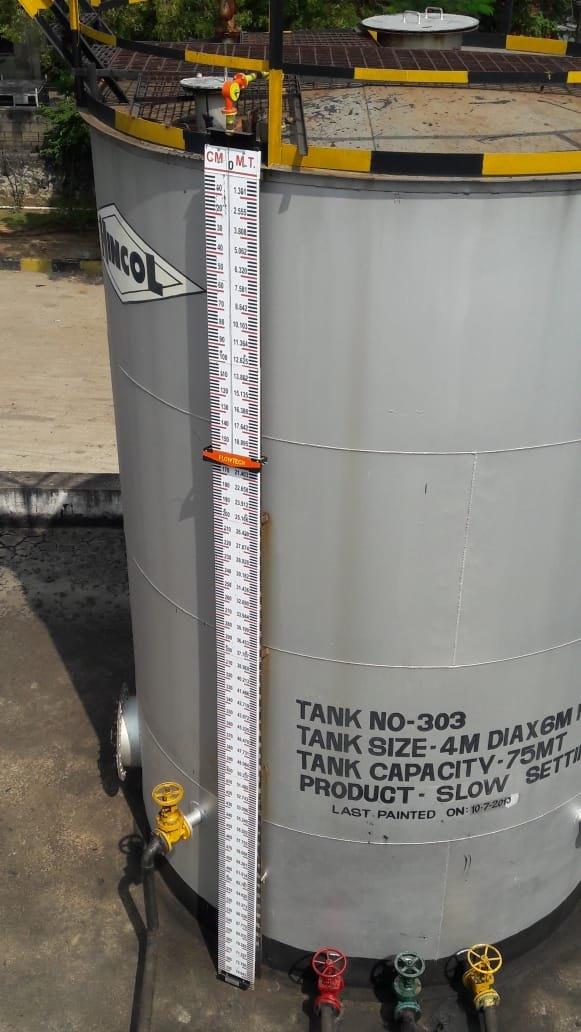
Float and Board Level Indicators: A Reliable Solution for Tank Level Measurement

In industries where accurate liquid level measurement is crucial—such as oil & gas, water treatment, chemical processing, and power plants—Float and Board Level Indicators continue to be a dependable and cost-effective solution. Known for their simplicity, durability, and non-electronic operation, these mechanical indicators offer a highly visible and maintenance-friendly method to monitor liquid levels in large storage tanks and reservoirs.

What is a Float and Board Level Indicator?

A Float and Board Level Indicator is a mechanical system used to visually monitor the level of a liquid within a storage tank. It operates on the basic principle of buoyancy, where a float (typically made from stainless steel or plastic, depending on the liquid) moves up and down along with the liquid level. This motion is transferred to a scale board or indicator board mounted on the exterior of the tank using a wire rope, pulley system, and a counterweight.

The float inside the tank rises or falls as the liquid level changes, and the corresponding movement is shown on the external board via a pointer or indicator, offering a clear and direct reading.


Key Components
  1. Float – Typically a hollow cylindrical or spherical object, selected based on liquid type, density, and pressure.
  2. Scale Board – Graduated scale mounted externally to the tank for direct level reading.
  3. Wire Rope & Pulley System – Transfers the motion of the float to the indicator.
  4. Counterweight – Balances the system for smooth and accurate movement.
  5. Guide Pipe or Bracket (optional) – Helps keep the float steady in turbulent conditions.

Advantages of Float and Board Level Indicators
  • No Power Required: Ideal for remote locations where power is unavailable.
  • Cost-Effective: Lower initial and maintenance costs compared to electronic systems.
  • Highly Visible: Large-scale boards make reading easy from a distance.
  • Robust & Long-Lasting: Built to withstand harsh industrial environments.
  • Customizable: Can be tailored to tank sizes ranging from a few meters to over 15 meters in height.

Typical Applications
  • Underground and Overhead Storage Tanks
  • Oil Terminals and Refineries
  • Firewater Storage Tanks
  • Process Water Reservoirs
  • Effluent and Wastewater Plants

Design Considerations

When selecting a float and board level indicator, engineers must consider:

  • Tank Height & Diameter
  • Fluid Type & Density
  • Temperature & Pressure Conditions
  • Environmental Exposure (indoor/outdoor/corrosive atmosphere)

Options like SS316, PVC, or PP floats are available based on chemical compatibility. Weatherproof scale boards with UV-resistant markings ensure long life and readability.


Conclusion

While advanced electronic and digital level indicators are on the rise, Float and Board Level Indicators still play a vital role in various industries due to their simplicity, ruggedness, and reliability. For many facilities, especially those in remote or hazardous areas, this tried-and-tested solution remains irreplaceable.

At Japsin Instrumentation, we specialize in designing and manufacturing precision-engineered float and board level indicators tailored to your tank specifications and industry requirements. Get in touch with our team to explore reliable, low-maintenance level monitoring solutions today.

Precision in Low Pressure Measurement: Schaffer Diaphragm Gauges by Japsin Instrumentation

In critical industrial applications where low-pressure or vacuum measurement is essential, traditional Bourdon-type gauges often fall short. That’s where Schaffer Diaphragm Pressure & Vacuum Gauges come into play — delivering high sensitivity, accuracy, and corrosion resistance even under demanding conditions.

At Japsin Instrumentation, we manufacture and supply Schaffer Diaphragm Gauges designed for robust industrial use across pharmaceuticals, chemical processing, oil & gas, and water treatment industries.

Key Features:
  • Measuring Range: From 10 mbar to 40 Bar, making it ideal for both micro-pressure and moderate-pressure applications.
  • Material Options (MOC):
    • SS 316 – Standard for general industrial use.
    • Inconel – Exceptional resistance to high-temperature and corrosive environments.
    • Hastelloy-C – Preferred for aggressive chemical handling.
  • High Accuracy: Suitable for applications requiring fine measurement resolution where bourdon tubes are not reliable.
  • Vacuum and Compound Ranges: Customizable options available as per user specifications.
Why Choose Schaffer Diaphragm Gauges?

Unlike conventional gauges, diaphragm gauges use a flexible membrane to sense pressure. This design is particularly effective for:

  • Low pressure measurements with minimal error.
  • Corrosive or viscous media where standard tubes would clog.
  • Clean room or hygienic environments where oil-filled or vented gauges are unsuitable.
Industries Served:
  • Pharmaceuticals & Biotech
  • Chemical & Petrochemical
  • HVAC & Cleanroom Monitoring
  • Gas Handling Systems
  • Water & Wastewater Treatment
Customization & Quality – The Japsin Assurance

As a trusted Indian manufacturer, Japsin Instrumentation offers full customization — from diaphragm capsule materials to connection sizes and mounting configurations. All gauges are calibrated and tested as per international standards.


Looking for OEM or Custom Orders?

Contact our team to explore how we can design diaphragm gauges tailored to your exact specifications.

Based in India | Serving Globally

Inconel Pressure Gauges: The Ultimate Solution for Extreme Environments

In industries where high pressure, corrosive media, and extreme temperatures are the norm—not the exception—the choice of pressure gauge materials can make or break the system. While stainless steel and brass are common, Inconel pressure gauges stand in a league of their own.

What is Inconel?

Inconel is a family of austenitic nickel-chromium-based superalloys known for their:

  • Exceptional resistance to high-temperature oxidation and corrosion
  • Mechanical strength even at elevated temperatures
  • Stability in chemically aggressive environments

Grades like Inconel 600, 625, and 718 are widely used across aerospace, nuclear, marine, and chemical industries.


Why Choose an Inconel Pressure Gauge?

When typical SS316 or Monel gauges fail to last, Inconel pressure gauges are the trusted alternative. Here’s why:

1. Corrosion Resistance

Ideal for offshore, marine, and chemical processing environments. Inconel resists:

  • Hydrochloric acid
  • Sulfuric acid
  • Seawater and salt spray
  • High-temperature oxidation
2. High-Temperature Performance

Withstand operating conditions up to 1000°C depending on the grade. Perfect for:

  • Power plants
  • Turbine systems
  • High-pressure steam lines
3. Pressure Integrity

Suitable for extremely high-pressure applications up to 1000 bar or more, maintaining strength without cracking or deforming.

4. Longevity & Safety

Reduced need for frequent replacements, making it cost-effective in the long run—especially in critical operations where failure is not an option.


Typical Applications
  • Oil & Gas: Downhole tools, sour gas applications, subsea systems
  • Aerospace: Jet engine testing, turbine monitoring
  • Chemical & Petrochemical: Chlorine plants, sulfuric acid lines
  • Power Generation: Superheated steam, nuclear cooling systems

Available Configurations

Inconel pressure gauges are available in:

  • Bourdon tube type
  • Diaphragm sealed type
  • Differential pressure gauges
  • Custom engineered solutions

Dial sizes: 63 mm, 100 mm, 115 mm, 150 mm
Mounting: Bottom / Back / Panel
Connection sizes: ¼”, ½” NPT, BSP, 9/16 API or customized


Challenges and Considerations

While Inconel offers superior performance, it’s important to consider:

  • Cost: Typically higher than SS or Monel
  • Lead time: Custom builds may take longer
  • Application fit: Use only where conditions demand its unique properties

Conclusion

If you’re operating in an environment where conventional materials corrode, crack, or warp—investing in Inconel pressure gauges can provide unmatched reliability and safety. Though the upfront cost is higher, the longevity and reduced downtime make it a smart choice for critical applications.


Looking for a trusted supplier of Inconel gauges?
We offer custom-built Inconel pressure gauges with certifications for offshore, chemical, and nuclear applications. Contact us today for a technical consultation or datasheet.