
Types of Level Measurement: Choosing the Right Technology for Industrial Applications
Level measurement is one of the most critical aspects of industrial process automation. Whether you’re monitoring water in a treatment plant, chemicals in a storage tank, or slurry in a mining operation, selecting the correct level measurement technology directly impacts process efficiency, product quality, and plant safety.
The infographic above provides an excellent overview of the six most widely used level measurement technologies. In this blog, we’ll explain how each technology works, where it performs best, and how to choose the right solution for your application.
Why Level Measurement Matters:-
Accurate level measurement helps industries:
- Prevent tank overflows and dry running
- Optimize inventory management
- Improve process control
- Reduce maintenance costs
- Ensure worker and environmental safety
- Meet regulatory compliance requirements
Industries such as Oil & Gas, Chemical, Pharmaceutical, Food & Beverage, Water Treatment, Marine, Power, and Cement all rely on reliable level measurement systems.
Radar Level Measurement (Non-Contact)
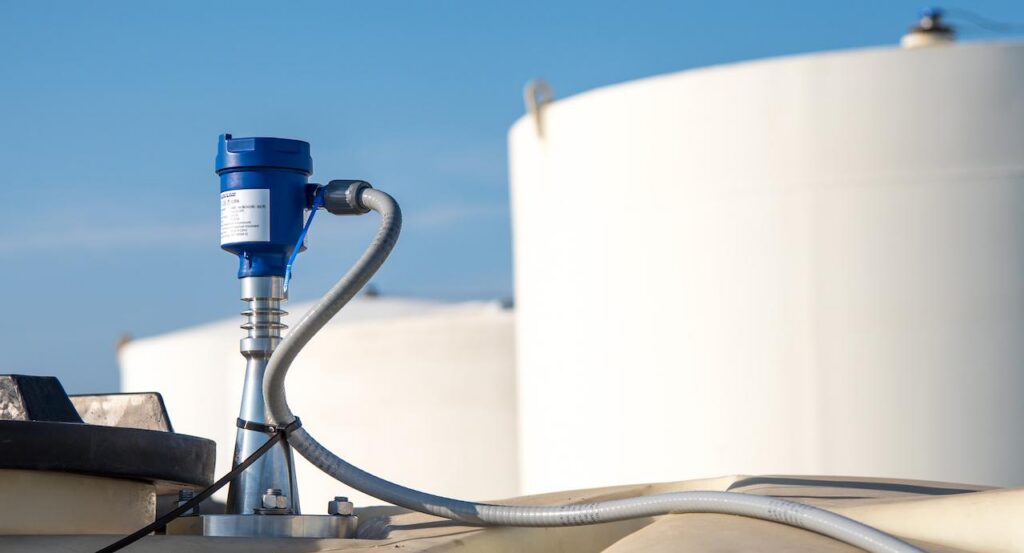
Working Principle
Radar level transmitters emit microwave signals toward the liquid surface. The signal reflects back to the sensor, and the transit time is used to calculate the level.
Best Applications
- Liquids
- Solids
- Foam
- Vapors
- High-temperature processes
- High-pressure vessels
Advantages
- Extremely accurate
- Non-contact operation
- Minimal maintenance
- Unaffected by pressure and temperature changes
- Suitable for corrosive media
Limitations
Performance may be affected inside narrow stilling wells or tanks with complex internal structures.
Guided Wave Radar (GWR)
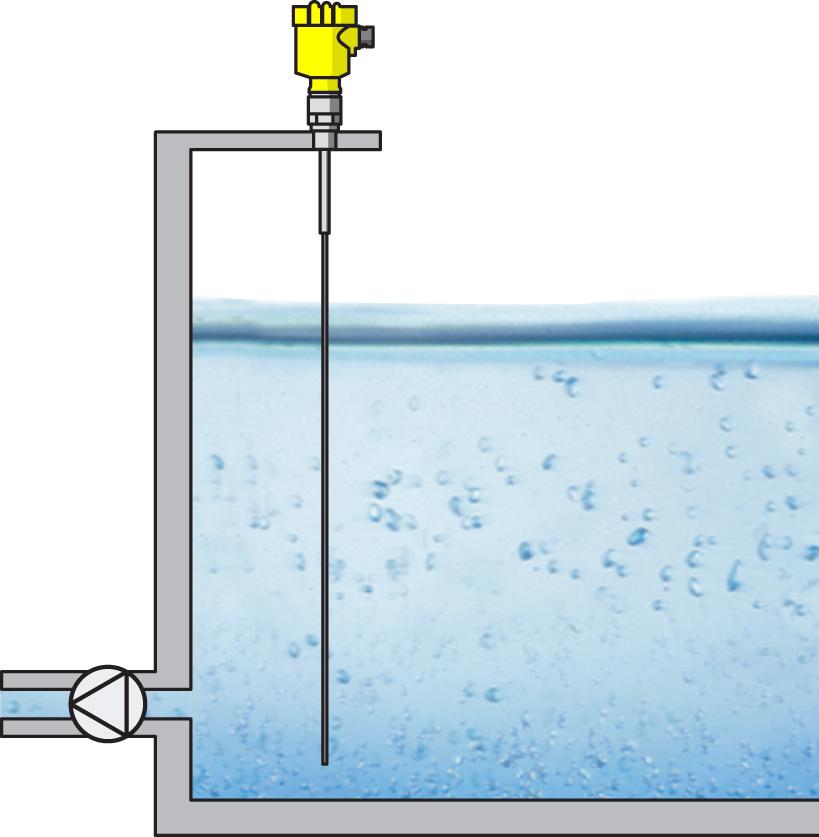
Working Principle
Unlike non-contact radar, Guided Wave Radar sends microwave pulses through a probe or cable immersed in the process fluid.
Best Applications
- Liquids
- Slurries
- Interfaces
- Steam applications
- Tall storage tanks
Advantages
- High measurement accuracy
- Reliable even in vapor-filled tanks
- Excellent for interface measurement
Limitations
Probe coating or product buildup can reduce measurement accuracy if maintenance is neglected.
Differential Pressure (DP) Level Measurement
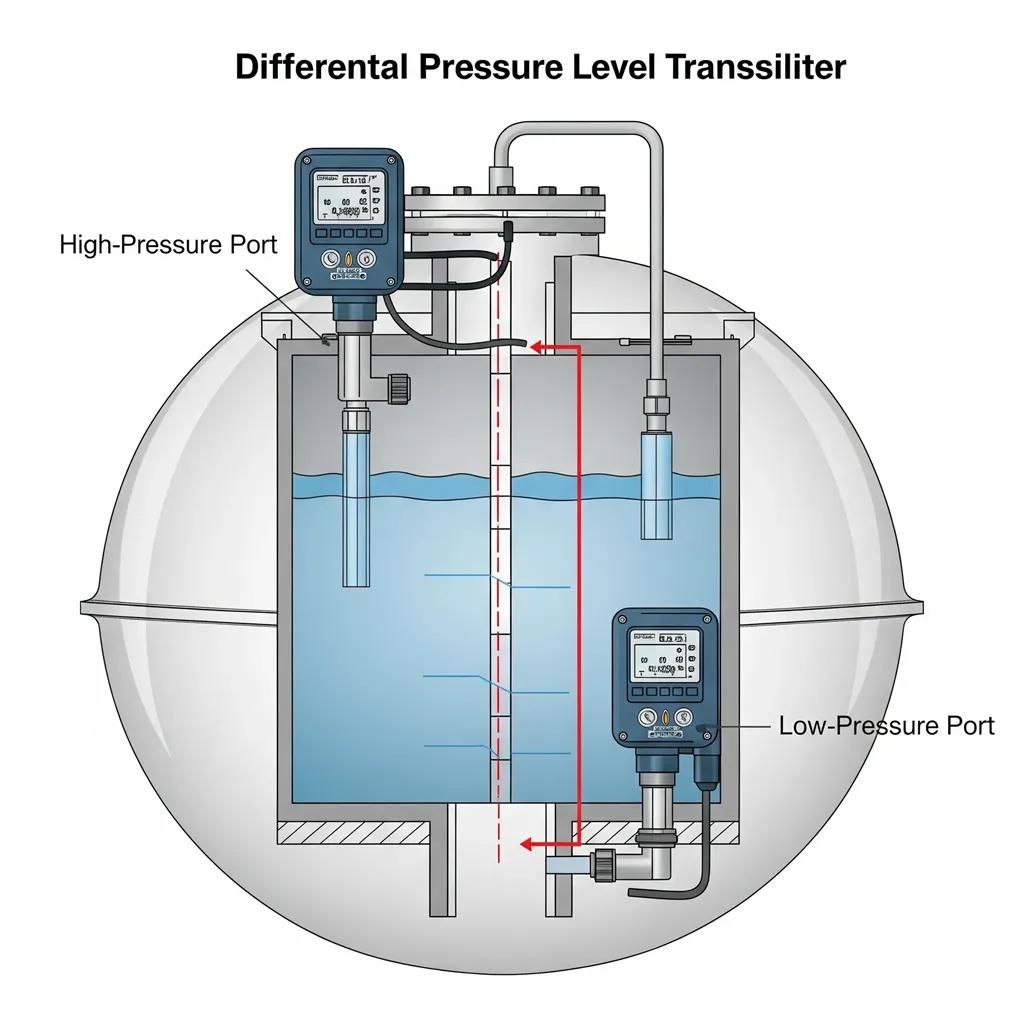
Working Principle
A differential pressure transmitter measures hydrostatic pressure at the bottom of the tank and converts it into level.
Best Applications
- Closed tanks
- Pressurized vessels
- Chemical process plants
- Boilers
Advantages
- Cost-effective
- Proven technology
- Widely accepted in process industries
Limitations
Measurement accuracy depends on fluid density. Density changes, foaming, or vapor pressure variations can introduce errors.
Ultrasonic Level Measurement
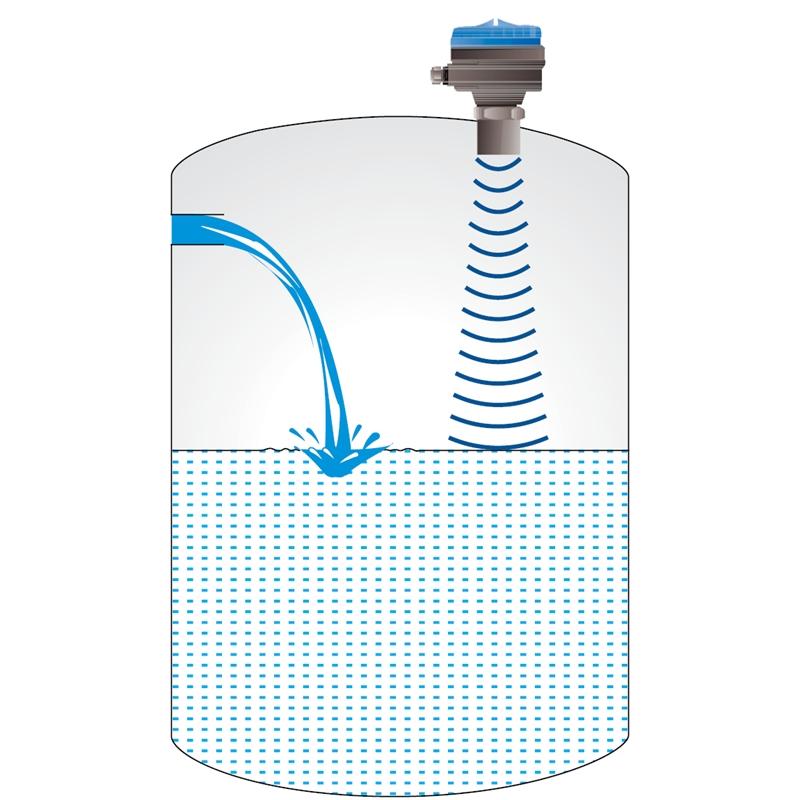
Working Principle
Ultrasonic transmitters emit high-frequency sound waves that bounce off the liquid surface.
Best Applications
- Water tanks
- Wastewater treatment
- Open tanks
- Non-contact applications
Advantages
- Affordable
- Easy installation
- Low maintenance
Limitations
Can be affected by:
- Foam
- Heavy vapors
- Dust
- Temperature fluctuations
Capacitance (RF) Level Measurement
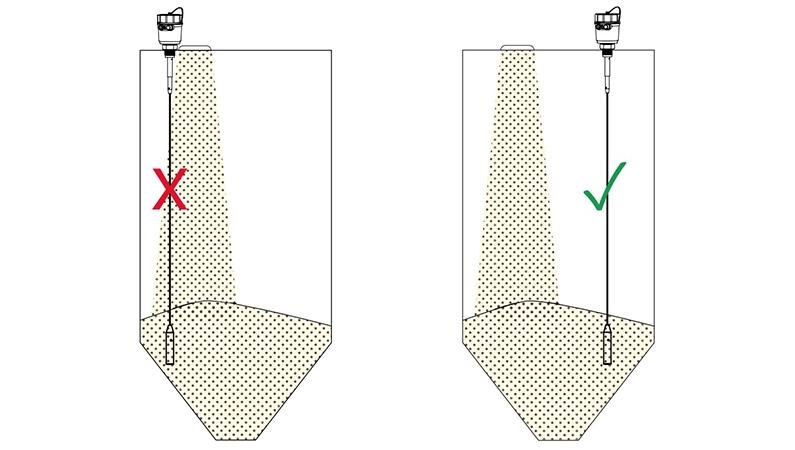
Working Principle
The sensor measures changes in capacitance as the material level changes.
Best Applications
- Powders
- Liquids
- Granules
- Interface detection
- High and low level alarms
Advantages
- Suitable for many media
- Compact design
- Good for point level detection
Limitations
Conductivity changes and probe buildup can affect readings.
Float Level Indicator
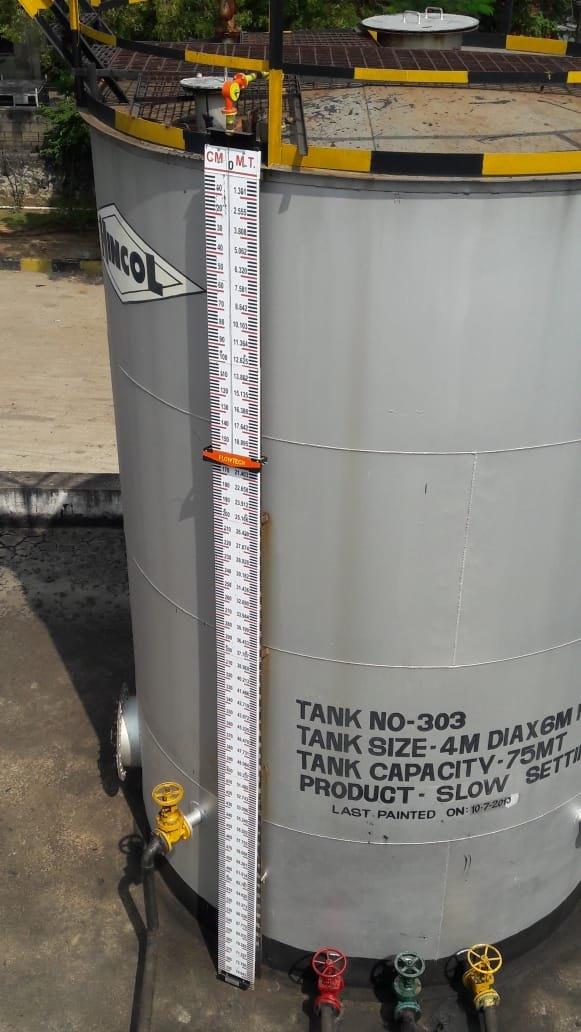
Working Principle
A mechanical float rises and falls with the liquid level, providing direct indication.
Best Applications
- Water storage
- Fuel tanks
- Utility systems
- Simple industrial processes
Advantages
- No power required
- Rugged construction
- Easy to understand
- Low maintenance
Limitations
Not recommended for:
- Highly viscous liquids
- Heavy foam
- Turbulent conditions
Best Practices for Reliable Level Measurement
To maximize accuracy and service life:
- Install sensors according to manufacturer recommendations.
- Avoid mounting near inlet streams, mixers, or agitators.
- Use stilling wells or bypass chambers where required.
- Perform regular calibration and preventive maintenance.
- Select wetted materials compatible with the process media.
- Periodically inspect probes for buildup or coating.
Which Technology Is Best?
| Technology | Best For | Contact | Accuracy | Cost |
|---|---|---|---|---|
| Radar | Liquids, solids, harsh environments | No | Excellent | High |
| Guided Wave Radar | Liquids, interfaces, steam | Yes | Excellent | Medium-High |
| Differential Pressure | Pressurized tanks | Yes | Good | Medium |
| Ultrasonic | Water and open tanks | No | Good | Low-Medium |
| Capacitance | Powders, alarms, interfaces | Yes | Good | Medium |
| Float Indicator | Simple liquid applications | Yes | Moderate | Low |
Conclusion
There is no universal level measurement technology suitable for every application. The ideal solution depends on the process medium, operating conditions, required accuracy, maintenance requirements, and budget. Modern technologies such as Radar and Guided Wave Radar provide exceptional performance in demanding applications, while Ultrasonic, Differential Pressure, Capacitance, and Float Indicators remain dependable choices for many industrial processes.
Carefully evaluating your application before selecting an instrument will improve operational efficiency, enhance safety, reduce maintenance, and ensure long-term reliability.
Looking for the Right Level Measurement Solution?
Japsin Instrumentation Private Limited offers a comprehensive range of industrial level measurement instruments, including Radar Level Transmitters, Guided Wave Radar Transmitters, Differential Pressure Transmitters, Ultrasonic Level Transmitters, Magnetic Float Level Indicators, Level Switches, and customized level measurement solutions for industries such as Oil & Gas, Water Treatment, Chemical, Pharmaceutical, Power, Marine, and Process Automation.
Contact our experts today to find the ideal level measurement solution tailored to your process requirements.