
Reliable Flow Measurement for Biogas, Renewable Energy & Waste-to-Energy Applications. Biogas is an increasingly important source of renewable energy generated through the anaerobic digestion of organic waste, sewage, agricultural waste and other biodegradable materials. Accurate measurement of biogas flow is essential for process monitoring, energy management, gas utilization, plant efficiency and billing applications.
Japsin Instrumentation offers a range of industrial flow measurement solutions for biogas and other combustible
gases, selected and configured according to the actual operating conditions of the application.
Our flow measurement solutions can be considered for applications involving raw biogas, treated biogas, biomethane
and gas used for boilers, engines, CHP systems and other energy-generation equipment.
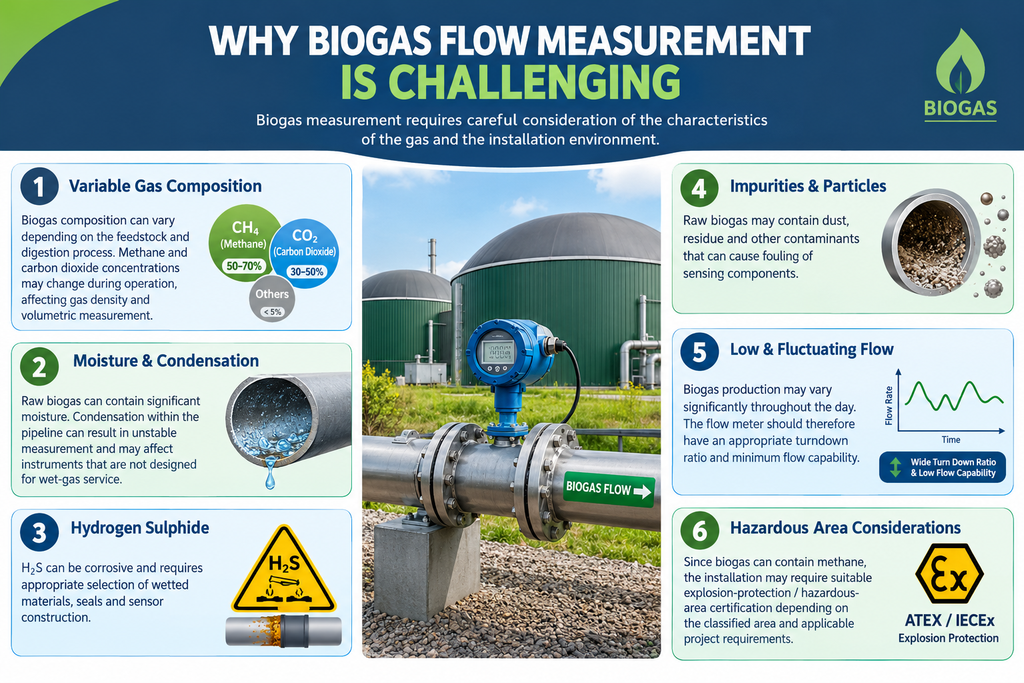
WHY BIOGAS FLOW MEASUREMENT IS CHALLENGING
Biogas measurement requires careful consideration of the characteristics of the gas and the installation environment.
- Variable Gas Composition
Biogas composition can vary depending on the feedstock and digestion process. Methane and carbon dioxide
concentrations may change during operation, affecting gas density and volumetric measurement. - Moisture & Condensation
Raw biogas can contain significant moisture. Condensation within the pipeline can result in unstable measurement and
may affect instruments that are not designed for wet-gas service. - Hydrogen Sulphide
H₂S can be corrosive and requires appropriate selection of wetted materials, seals and sensor construction. - Impurities & Particles
Raw biogas may contain dust, residue and other contaminants that can cause fouling of sensing components. - Low & Fluctuating Flow
Biogas production may vary significantly throughout the day. The flow meter should therefore have an appropriate
turndown ratio and minimum flow capability. - Hazardous Area Considerations
Since biogas can contain methane, the installation may require suitable explosion-protection / hazardous-area
certification depending on the classified area and applicable project requirements.
BIOGAS FLOW METER OPTIONS
Japsin can provide different flow measurement technologies depending on the application.
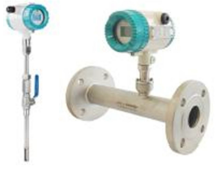
01 | THERMAL MASS FLOW METER
Thermal mass flow meters measure gas mass flow directly and are particularly
suitable for applications where a wide flow range and low pressure drop are
required.
Typical Features:
Direct mass flow measurement
Wide turndown ratio
Low pressure loss
No moving parts
Digital display option
4–20 mA output
Pulse output
RS485 / Modbus communication options
Insertion or inline construction
316 / 316L wetted construction options
Temperature and pressure compensation options
Suitable hazardous-area versions available as required
Recommended Applications:
Biogas header monitoring
Anaerobic digester gas measurement
CHP / generator gas consumption
Boiler fuel gas monitoring
Energy management
Important: Thermal mass flow meters should be selected based on gas
composition, moisture content, operating pressure and temperature.
02 | VORTEX FLOW METER
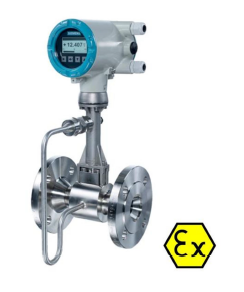
Vortex flow meters measure flow based on the frequency of vortices generated by a
bluff body placed in the flow stream.
They offer a robust solution for industrial gas measurement and can be considered
for relatively clean and stable biogas applications.
Features:
No mechanical moving parts
Robust industrial construction
Suitable for gas applications
Digital indication
4–20 mA / pulse output options
RS485 / communication options
Temperature and pressure compensation options
Flanged / wafer installation options
Applications:
Treated biogas
Biomethane
Boiler gas
Process gas monitoring
Energy consumption measurement
03 | GAS TURBINE FLOW METER
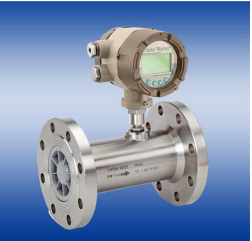
Gas turbine flow meters use a rotating turbine element to measure gas velocity and
calculate volumetric flow.
They are suitable where good accuracy, repeatability and relatively clean gas
conditions are available.
Features:
Good measurement accuracy
Wide measurement range
Low starting flow
Digital totalization
Pulse / frequency output
Optional pressure and temperature compensation
Compact construction
Applications:
Treated biogas
Biomethane
Gas distribution
Fuel gas monitoring
Energy consumption measurement
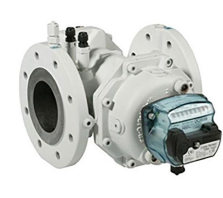
04 | ROOTS / POSITIVE DISPLACEMENT GAS FLOW METER
Positive displacement gas meters measure a defined volume of gas through
mechanical displacement and are suitable for applications requiring reliable
volumetric measurement.
Features:
Good low-flow performance
Suitable for fluctuating gas demand
High repeatability
Mechanical or electronic totalizer options
Corrosion-resistant construction options
Pulse / electronic output options
Suitable for gas consumption measurement
Applications:
Biogas supply
Gas consumption measurement
Fuel gas monitoring
Commercial / industrial gas metering
Energy management
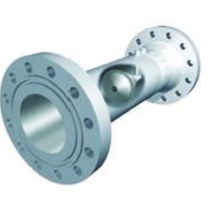
06 | V-CONE FLOW METER
V-Cone flow measurement is a differential-pressure technology designed to
condition the flow profile within the pipe.
It can be advantageous where installation space is restricted or conventional
straight-run requirements are difficult to achieve.
Features:
Compact installation
Robust construction
Good repeatability
Suitable for industrial gas applications
Reduced straight-pipe requirement compared with conventional DP arrangements
Suitable for demanding process environments
07 | ORIFICE FLOW METER
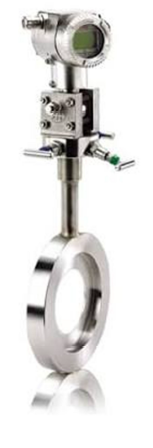
Orifice flow measurement is one of the most established differential-pressure
technologies used in industrial process measurement.
Features:
Simple and proven technology
Cost-effective
No moving parts
Suitable for large pipe sizes
Easy integration with differential-pressure transmitters
Available with various flange and pressure-class configurations
Consideration: Orifice meters can introduce permanent pressure loss and may
have a more limited turndown compared with some modern flow-meter technologies.
DRY BIOGAS VS. WET BIOGAS
Before selecting a flow meter, it is important to establish whether the gas is dry, partially treated or wet/raw biogas.
DRY / TREATED BIOGAS
Where biogas has undergone appropriate moisture removal and filtration, a wider range of flow-meter technologies may be
considered.
Potential technologies:
Thermal Mass Flow Meter
Vortex Flow Meter
Turbine Flow Meter
Positive Displacement Meter
Differential Pressure Flow Meter
WET / RAW BIOGAS
Raw biogas can contain moisture, condensate and contaminants. In such applications, proper upstream conditioning becomes an important part of the measurement system.
Recommended installation considerations:
Biogas Pipeline → Filter / Separator → Condensate Drain → Flow Meter → Gas Utilization Equipment
The exact arrangement should be finalized according to the gas composition, moisture content, pressure, temperature and
flow conditions