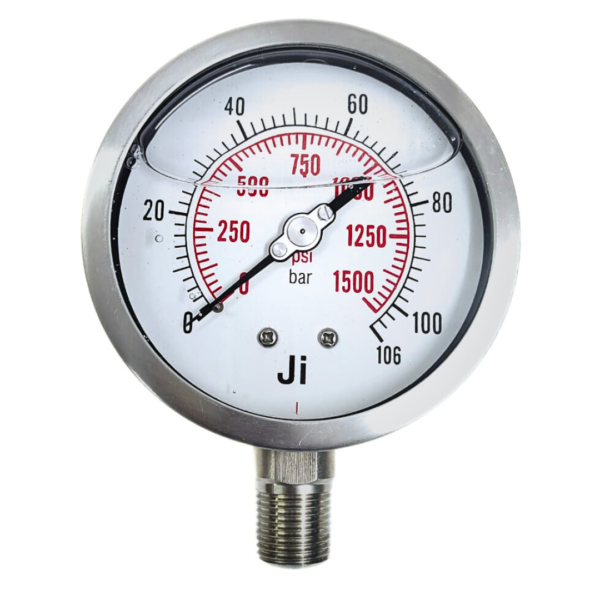
In industries where high pressure, corrosive media, and extreme temperatures are the norm—not the exception—the choice of pressure gauge materials can make or break the system. While stainless steel and brass are common, Inconel pressure gauges stand in a league of their own.
What is Inconel?
Inconel is a family of austenitic nickel-chromium-based superalloys known for their:
Exceptional resistance to high-temperature oxidation and corrosion
Mechanical strength even at elevated temperatures
Stability in chemically aggressive environments
Grades like Inconel 600, 625, and 718 are widely used across aerospace, nuclear, marine, and chemical industries.
Why Choose an Inconel Pressure Gauge?
When typical SS316 or Monel gauges fail to last, Inconel pressure gauges are the trusted alternative. Here’s why:
1. Corrosion Resistance
Ideal for offshore, marine, and chemical processing environments. Inconel resists:
Hydrochloric acid
Sulfuric acid
Seawater and salt spray
High-temperature oxidation
2. High-Temperature Performance
Withstand operating conditions up to 1000°C depending on the grade. Perfect for:
Power plants
Turbine systems
High-pressure steam lines
3. Pressure Integrity
Suitable for extremely high-pressure applications up to 1000 bar or more, maintaining strength without cracking or deforming.
4. Longevity & Safety
Reduced need for frequent replacements, making it cost-effective in the long run—especially in critical operations where failure is not an option.
Typical Applications
Oil & Gas: Downhole tools, sour gas applications, subsea systems
Aerospace: Jet engine testing, turbine monitoring
Chemical & Petrochemical: Chlorine plants, sulfuric acid lines
Power Generation: Superheated steam, nuclear cooling systems
Available Configurations
Inconel pressure gauges are available in:
Bourdon tube type
Diaphragm sealed type
Differential pressure gauges
Custom engineered solutions
Dial sizes: 63 mm, 100 mm, 115 mm, 150 mm Mounting: Bottom / Back / Panel Connection sizes: ¼”, ½” NPT, BSP, 9/16 API or customized
Challenges and Considerations
While Inconel offers superior performance, it’s important to consider:
Cost: Typically higher than SS or Monel
Lead time: Custom builds may take longer
Application fit: Use only where conditions demand its unique properties
Conclusion
If you’re operating in an environment where conventional materials corrode, crack, or warp—investing in Inconel pressure gauges can provide unmatched reliability and safety. Though the upfront cost is higher, the longevity and reduced downtime make it a smart choice for critical applications.
Looking for a trusted supplier of Inconel gauges? We offer custom-built Inconel pressure gauges with certifications for offshore, chemical, and nuclear applications. Contact us today for a technical consultation or datasheet.
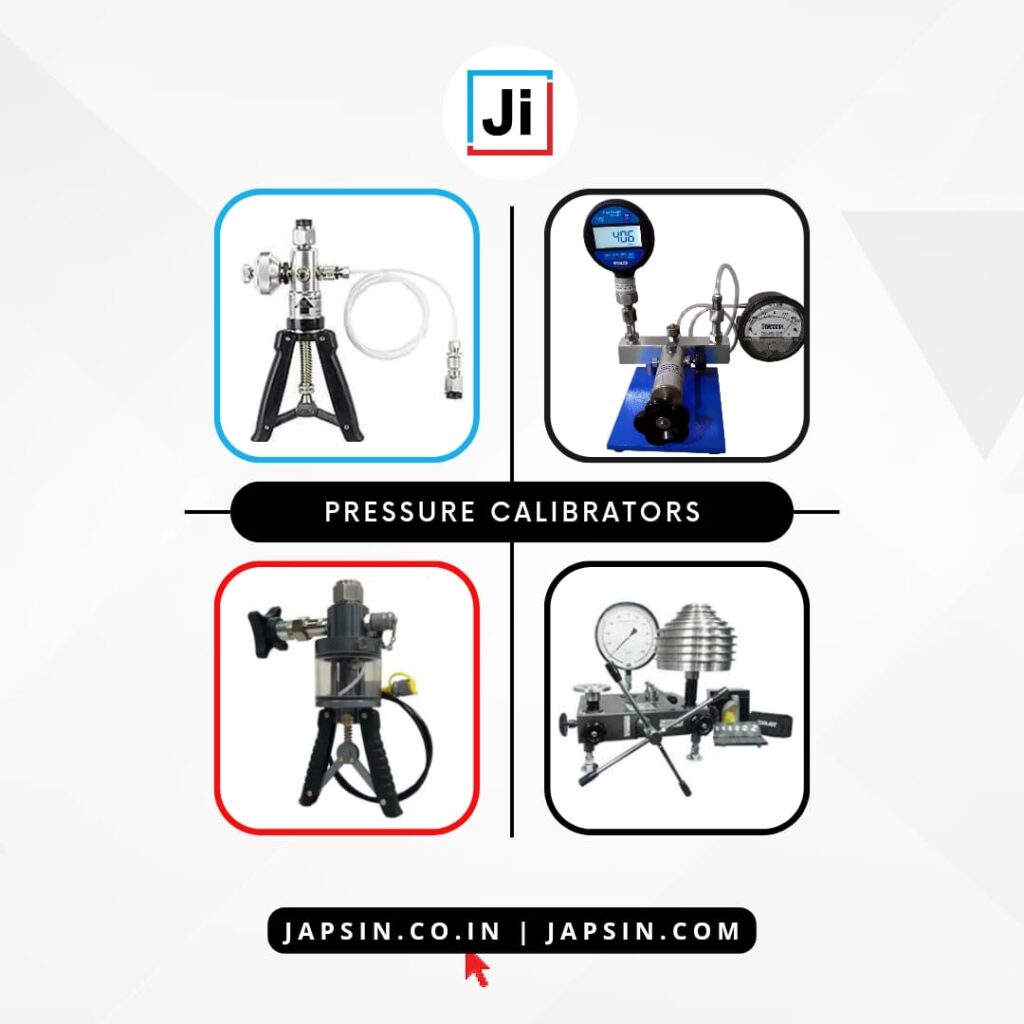
Are you looking for a pressure gauge calibrators manufacturer in Mumbai who can provide high-quality, reliable, and accurate instruments for your industrial processes?
At Japsin Instrumentation, we are one of India’s leading manufacturers of industrial pressure gauges calibrators, delivering precision-engineered instruments across Mumbai, Navi Mumbai, Thane, and surrounding industrial areas. Backed by decades of manufacturing excellence and a strong local presence, we ensure your plant or project in Mumbai gets the right pressure measurement solution—on time and on specification.
Why Choose Us as Your Pressure Gauge calibrator Supplier in Mumbai?
As a manufacturer with direct supply capabilities, we provide far more than just products. Our local Mumbai customers benefit from:
PAN India Delivery with Fast Dispatch to Mumbai, Navi Mumbai & Thane
In-Depth Application Knowledge of Mumbai’s Industries
Calibration Certificates (NABL Traceable) Available on Request
We understand the industrial diversity of Mumbai—from power plants in Trombay, chemical industries in Taloja, and pharma units in Andheri to construction, HVAC, and OEMs spread across Thane and Navi Mumbai. Our product line is designed to withstand the region’s specific challenges such as humidity, sea-air corrosion, and space-constrained installations.Our Pressure Gauge Product Range for Mumbai Clients
Whether you’re in need of a general-purpose gauge or one built for a corrosive, high-pressure, or vibration-heavy environment, we have you covered. We manufacture and supply:
1. Glycerin-Filled Pressure Gauges
Ideal for vibration-prone settings like heavy machinery or construction equipment.
Commonly used across Mumbai’s infrastructure and hydraulic applications.
2. SS 304/316 Pressure Gauges
Suitable for corrosive environments near the sea or chemical plants.
Trusted by clients in Trombay, Navi Mumbai, and MIDC Taloja.
3. Diaphragm Sealed Pressure Gauges
Best for slurry, high-viscosity, or corrosive media.
Perfect for chemical, pharma, and food-grade processes.
4. Electric Contact Gauges
Provides switching functionality for alarms and automatic cut-offs.
Widely used in process automation setups in industrial belts of Mumbai.
5. Differential Pressure Gauges
Ideal for HVAC, filters, and fluid flow systems.
Popular across commercial projects in Powai, Bandra-Kurla Complex (BKC), and Thane.
Industries We Serve in the Mumbai Region
We supply pressure gauges to a wide range of industries in and around Mumbai:
Chemical and Petrochemical Plants – Taloja, Mahape, TTC Industrial Area
OEMs and Machinery Manufacturers – Thane, Bhiwandi, Vasai
We understand that Mumbai’s industrial sector operates under strict deadlines and environmental pressures. That’s why we maintain ready stock of fast-moving gauges and offer priority support for emergency requirements.
We also offer:
Same-day or next-day dispatch (subject to stock)
Pre-sales technical consultation for your team
Calibration and test reports
Responsive post-sales support
Get in Touch with Mumbai’s Trusted Pressure Gauge Manufacturer
Whether you’re sourcing for new projects, replacements, or bulk procurement, Japsin Instrumentation is your go-to partner for industrial pressure gauges in Mumbai. 📩 Email:marketing@japsin.co.in 🌐 Website:Japsin.co.in / Japsin.com 📍 Serving: Mumbai, Navi Mumbai, Thane, Taloja, Bhiwandi, Panvel, and more.
Let us help you select the right gauge for your application—delivered on time, with unmatched technical accuracy. Precision You Can Trust. Made for Mumbai.
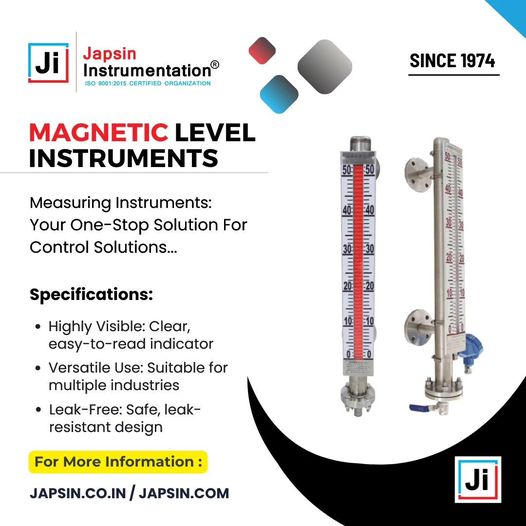
In industrial sector, precision in measurement is not just a preference—it’s a necessity. Among the most critical measuring tools used across multiple industries are Level Gauges and Level Instruments.
These devices help in monitoring and controlling the level of liquids, solids, or slurries inside tanks, vessels, or silos.
Their reliability and accuracy directly impact operational safety, efficiency, and productivity.
What Are Level Gauges & Level Instruments?
Level Gauges are mechanical or electronic devices used to visually or electronically indicate the level of a substance in a container. Level Instruments encompass a broader category that includes sensors, switches, transmitters, and digital indicators that measure and transmit the level data to control systems.
Purpose of Level Gauges & Instruments
Monitoring: Ensure real-time knowledge of fluid or solid levels in process tanks or containers.
Control: Help automate processes based on level thresholds.
Safety: Prevent overflow, dry-run conditions, or hazardous spillages.
Inventory Management: Accurate measurement assists in efficient stock control.
Compliance: Essential for adhering to industry safety and environmental regulations.
Applications Across Industries
Level Gauges and Instruments are used in diverse sectors, such as:
1. Oil & Gas
Tank farms, separators, and storage units
Ensuring correct levels of fuel, crude, or chemicals
2. Pharmaceuticals
High-precision monitoring in clean and sterile environments
3. Water Treatment
Monitoring water levels in treatment plants, reservoirs, and tanks
4. Chemical & Petrochemical
Handling aggressive, corrosive, or high-temperature fluids safely
5. Food & Beverage
Level monitoring in brewing, dairy, and bottling operations
6. Power Plants
Boiler water level measurement and fuel tank monitoring
Types of Level Gauges & Instruments
Level measuring devices are classified into mechanical and electronic types:
🔹 Mechanical Level Gauges
Sight Glass (Tubular/Reflex/Transparent): Direct visual level indication
Float & Board Type: Widely used in large tanks and storage vessels
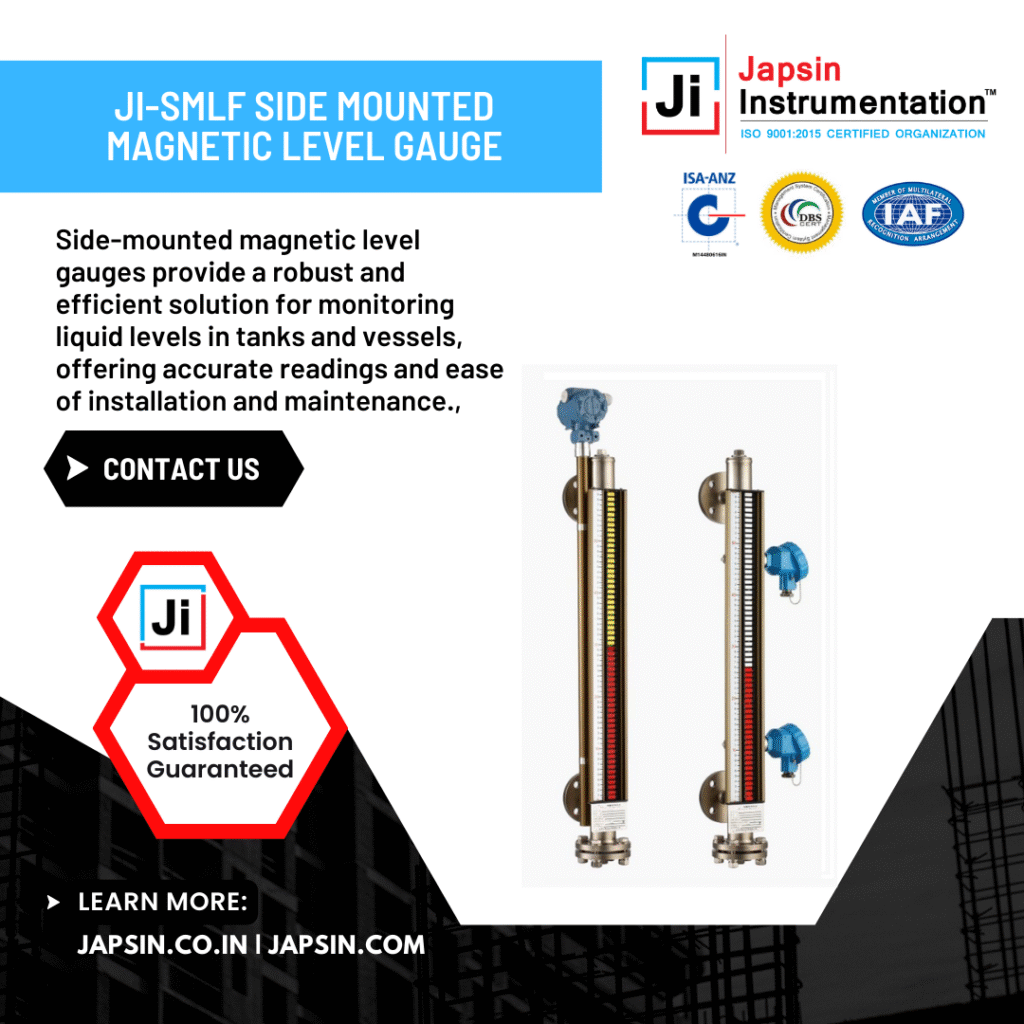
Magnetic Level Gauges: Uses float with a magnetic system for clear visual indication
🔹 Electronic Level Instruments
Ultrasonic Level Transmitters: Non-contact, ideal for corrosive or slurry materials
Radar Level Transmitters: High-precision, used in complex and high-pressure tanks
Capacitance & Conductivity Sensors: Suitable for liquids with varying conductivity
Hydrostatic Level Transmitters: Measures pressure exerted by the liquid column
Vibrating Fork & RF Admittance Switches: Ideal for point-level detection
Quality Considerations
When selecting a level gauge or instrument, quality assurance is paramount. Consider the following:
Material Compatibility: Must match the medium’s chemical properties (e.g., SS316 for corrosive liquids)
Pressure & Temperature Ratings: Must withstand the operating conditions
Certifications: Look for ATEX, SIL, ISO, and CE certifications for safety compliance
Repeatability & Accuracy: Critical in precision applications like pharmaceuticals
Maintenance & Longevity: Choose models that offer easy maintenance and long service life
Conclusion
Level Gauges and Instruments are integral to modern industry, ensuring operational continuity, safety, and efficiency. With technological advancements and rising automation, the market is steadily moving towards smart, reliable, and maintenance-free solutions. Whether you’re managing a power plant or a dairy processing unit, investing in quality level measurement devices can significantly enhance process control and profitability.
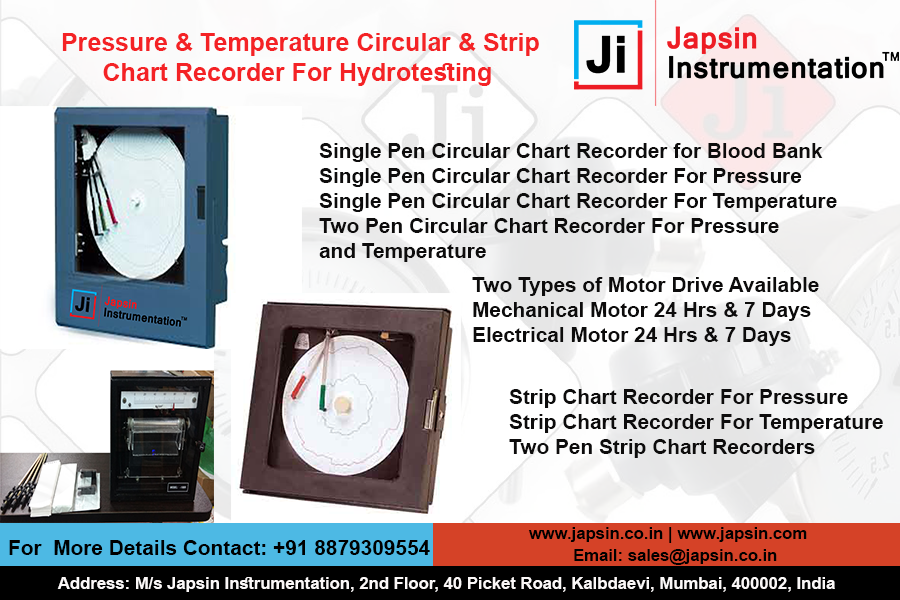
In today’s industrial environment, monitoring pressure and temperature is critical to maintaining safety, efficiency, and compliance. One of the most time-tested and reliable instruments used for this purpose is the Circular Chart Recorder. These recorders provide a visual, continuous record of pressure and/or temperature over a set time interval, making them ideal for a variety of industrial applications.
Circular chart recorders are available in two main types based on the drive mechanism:
Mechanical Motor-Driven Recorders
Electrical Motor-Driven Recorders
Let’s explore the features, applications, and benefits of each type across various industries.
🔧 What is a Circular Chart Recorder?
A circular chart recorder records temperature, pressure, or both on a round chart that rotates over a specific time frame (e.g., 24 hours, 7 days). A pen or stylus continuously plots the readings on the chart, providing a real-time historical data log.
⚙️ 1. Mechanical Motor Circular Chart Recorder
How it works: Operates using a spring-wound or battery-powered clock motor. It’s simple, robust, and does not rely on external electrical power.
✅ Common Applications:
🔹 Oil & Gas Industry:
Monitoring pressure in pipelines and wellheads
Logging data for safety audits and inspections
🔹 Food & Beverage:
Recording temperatures in ovens, cookers, and refrigeration units
Ensures HACCP compliance for food safety
🔹 Pharmaceuticals:
Controlled temperature monitoring in stability chambers
Used in areas where digital recorders are not suitable
🔹 Industrial Boilers:
Tracks boiler pressure and temperature trends
Assists in optimizing combustion and load cycles
✅ Advantages:
No reliance on power supply
Simple to operate and maintain
Suitable for remote locations
⚡ 2. Electrical Motor Circular Chart Recorder
How it works: Powered by an electric motor (typically 230 VAC or 24 VDC). Offers consistent chart rotation and often supports multiple sensors.
✅ Common Applications:
🔹 Chemical & Petrochemical Plants:
Monitoring of batch reactions where pressure and temperature vary with time
Helps prevent overheating or overpressure scenarios
🔹 Environmental Monitoring:
Tracking temperature and pressure in test chambers and cleanrooms
Ensures environmental stability for sensitive processes
🔹 Cold Storage & Warehouses:
Ensures consistent refrigeration conditions
Provides recordkeeping for audits and insurance
🔹 Process Industries:
Used in fermentation, drying, distillation units, etc.
Enhances process control and data integrity
✅ Advantages:
More stable and accurate timekeeping
Ideal for continuous monitoring
Can be interfaced with alarms and control systems
🏭 Industry-Wide Importance
Regardless of the motor type, circular chart recorders continue to play a key role in:
Compliance: Meeting audit, validation, and regulatory requirements (FDA, ISO, etc.)
Quality Control: Maintaining product quality and process consistency
Safety: Preventing equipment failure due to abnormal pressure/temperature
Data Traceability: Providing historical logs for analysis and reporting
🧰 Choosing the Right Recorder for Your Application
When selecting a chart recorder, consider:
Measurement type (pressure, temperature, or both)
Number of pens (single or dual)
Time range (24 hr, 7 day, etc.)
Environment (indoor, outdoor, hazardous)
Whether you opt for mechanical or electrical motor-driven recorders, both serve as reliable tools to monitor critical parameters with visual clarity.
Need help choosing the right chart recorder? We at Japsin Instrumentation specialize in pressure, temperature, and calibration instruments, offering a wide range of chart recorders to suit your industry requirements.
📞 Contact us today at +91-8879309554 or visit www.japsin.com for expert guidance.
Pressure gauges are essential instruments across various industries, offering crucial data to monitor process conditions. Among the most widely used types are dry pressure gauges and liquid-filled pressure gauges.
Liquid-Filled Pressure Gauges
These gauges are filled with a damping fluid—typically glycerin or silicone oil—that cushions internal components against shock.
This fluid reduces the impact of vibrations and pressure spikes, ensuring smoother needle movement.
They are ideal for demanding environments such as pumps, compressors, and engines, where consistent and accurate readings are vital.
Dry Pressure Gauges
These are the simplest form, with no fluid inside the casing.
They operate using mechanical movement to indicate pressure.
Dry gauges are lightweight, economical, and best suited for stable environments with minimal vibration or pulsation.
Choosing the right type of gauge for your application enhances reliability, safety, and performance.
In industries where precision, durability, and safety are paramount, choosing the right pressure gauge manufacturer is not just a procurement decision—it’s a strategic investment. From pharmaceuticals and petrochemicals to food processing and power generation, pressure gauges serve as critical monitoring devices that safeguard operations and ensure compliance.
As a leading name in process control instrumentation, JapsinInstrumentation understands the nuances of selecting the ideal pressure gauge for their clients. Whether you’re a plant engineer, OEM, procurement manager, or system integrator, this blog will serve as your ultimate buyer’s guide.
We will walk you through:
Key considerations when evaluating manufacturers
Important product features and standards
Why partnering with an experienced brand like Japsin Instrumentation offers long-term value
Let’s help you make an informed, confident choice for your industrial pressure measurement needs.
1. Why the Right Pressure Gauge Manufacturer Matters
A high-quality pressure gauge ensures:
Accurate and consistent readings
Longer service life in demanding environments
Compliance with industry regulations
Fewer breakdowns and lower maintenance costs
Choosing the wrong manufacturer can result in:
Inaccurate readings
Downtime and product losses
Safety hazards and legal liabilities
Poor after-sales service and limited customization options
2. Key Factors to Evaluate When Choosing a Pressure Gauge Manufacturer
2.1 Product Quality and Certification
Look for gauges that adhere to international standards such as:
EN 837, ASME B40.1, DIN, or IS norms
ISO 9001 certified manufacturing process
NABL calibration traceability
Japsin Instrumentation Advantage: All Japsin Instrumentation gauges are manufactured to meet or exceed international standards with traceable calibration.
2.2 Wide Product Range
Choose a manufacturer that offers various types of gauges:
Bourdon Tube Gauges (general-purpose)
Diaphragm Sealed Gauges (for corrosive media)
Digital Pressure Gauges
Differential Pressure Gauges
Glycerin-Filled Gauges (vibration resistance)
Japsin Instrumentation Advantage: We offer over 100+ gauge configurations tailored for industrial, OEM, and lab-grade applications.
2.3 Customization Capability
Different industries require custom dials, pressure ranges, mounting types, and wetted parts.
Special dial branding (OEM branding)
Custom thread connections (BSP, NPT, etc.)
Dual scale displays (bar/psi/kg/cm²)
High-pressure and low-pressure customization
Japsin Instrumentation Advantage: We specialize in custom-built pressure gauges for OEMs and large-scale industrial projects.
2.4 Materials and Durability
Ensure the manufacturer offers pressure gauges in materials suited for the application:
SS304/SS316 for chemical resistance
Brass internals for water and air
Monel or PTFE coatings for high-corrosive media
Japsin Instrumentation Advantage: Rugged construction options with stainless steel, brass, and special alloys.
2.5 Technology Integration
Modern manufacturing requires digital and IoT-capable gauges:
Analog-digital conversion
Wireless data transmission
Smart sensors with 4–20mA or RS485 outputs
Japsin Instrumentation Advantage: IoT-ready digital pressure gauge solutions for smart factories and Industry 4.0 environments.
3. Industry Applications: Choose a Manufacturer with Sector Expertise
A good manufacturer understands application-specific needs. For example:
Pharmaceuticals
Glycerin-filled gauges for autoclaves
SS316 diaphragm seals for sterile processes
Oil and Gas
High-pressure stainless steel case gauges
Explosion-proof and flameproof options
Water and Wastewater
Back entry gauges for filtration systems
Corrosion-resistant wetted parts
Food and Beverage
Hygienic design with tri-clamp connections
Sanitary gauge dial and bezel finishes
Construction and Hydraulic Machinery
Compact hydraulic gauges
Panel mountable shock-proof gauges
Japsin Instrumentation Advantage: Proven experience across 15+ industries.
4. Customer Support and Service
Pressure gauges may need recalibration, servicing, or upgrades. Ensure the manufacturer provides:
Calibration services
On-site technical assistance
Fast delivery and logistics
Spare parts availability
Japsin Instrumentation Advantage: PAN-India support with same-day dispatch and full technical documentation.
5. Price vs. Performance
Don’t settle for the cheapest option. Analyze Total Cost of Ownership (TCO):
Gauge lifespan
Downtime risk
Maintenance needs
Accuracy retention
Japsin Instrumentation Advantage: Competitive pricing with long-lasting product quality backed by thousands of satisfied clients.
6. Reviews, Certifications, and Legacy
Check the manufacturer’s:
Years in business
Export presence
ISO and safety certifications
Industry reputation
References or case studies
Japsin Instrumentation Advantage:
Over 50+ years of experience
ISO 9001:2015 certified
Strong presence in India and abroad
7. Questions to Ask Before Finalizing Your Manufacturer
What industries do you serve?
Can I get NABL-certified calibration?
Do you offer OEM branding?
How do you handle urgent orders?
What warranty and service support is provided?
Asking these upfront ensures transparency and long-term satisfaction.
8. Why Japsin Instrumentation is a Trusted Pressure Gauge Manufacturer in India
At Japsin Instrumentation, we understand that every process counts. Our pressure gauges are trusted by thousands of engineers, plant heads, OEMs, and contractors for their precision, durability, and service support.
Highlights:
Over 500+ gauge variants
Full design-to-delivery manufacturing
Global shipping and installation guidance
Calibration traceable to national standards
Personalized customer support
Whether you need one gauge or one thousand, Japsin Instrumentation is built to deliver with confidence.
Conclusion
Choosing the right pressure gauge manufacturer can significantly influence your operation’s efficiency, safety, and profitability. From assessing quality standards and material compatibility to ensuring responsive support and customization, every factor counts.
At Japsin Instrumentation, we pride ourselves on meeting and exceeding these expectations with every pressure gauge we manufacture. We invite you to experience what precision and reliability truly mean in the world of industrial instrumentation.
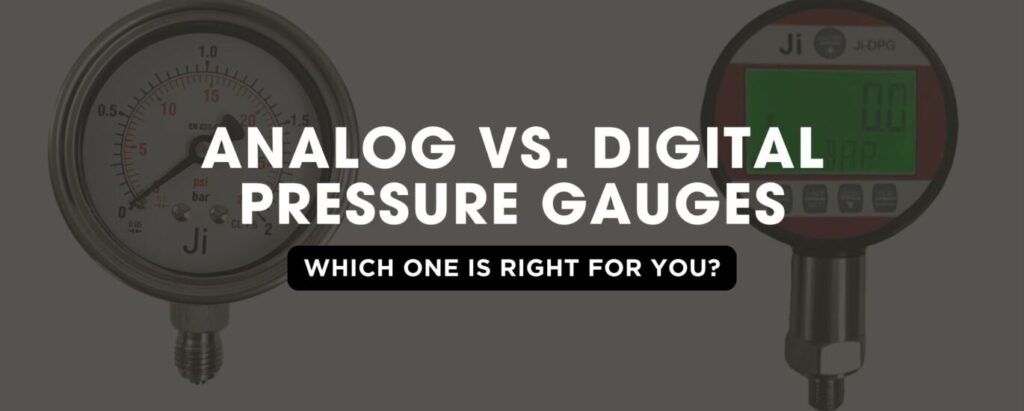
Pressure gauges are essential instruments used across industries to measure and monitor pressure levels in systems and processes. Choosing the right pressure gauge can significantly impact operational efficiency, safety, and accuracy. With advancements in technology, the decision often boils down to selecting between analog and digital pressure gauges.
This blog aims to provide an in-depth comparison of analog and digital pressure gauges, covering their working principles, advantages, limitations, and applications. By understanding the unique features of each type, you can make an informed choice tailored to your specific requirements
Analog Pressure Gauges
How They Work
Analog pressure gauges use mechanical components like Bourdon tubes, diaphragms, or bellows to measure pressure. When pressure is applied to the sensing element, it deforms proportionally, driving a mechanical linkage that moves the pointer on a calibrated scale.
Advantages
Simplicity
Analog gauges are straightforward to use, with no need for power sources or complex configurations.
Durability
Mechanical construction ensures reliability in harsh environments, including extreme temperatures and vibrations.
Cost-Effectiveness
Typically more affordable than their digital counterparts, making them ideal for budget-conscious applications.
Real-Time Visual Feedback
The continuous movement of the pointer provides an intuitive understanding of pressure trends.
Limitations
Limited Accuracy
Analog gauges often have an accuracy range of 1% to 2% of full-scale deflection, which may not suffice for precision applications.
Wear and Tear
Mechanical components are prone to wear over time, leading to calibration drift.
Lack of Data Recording
Analog gauges do not offer data storage or connectivity, limiting their use in modern monitoring systems.
Applications
HVAC systems
Hydraulic and pneumatic systems
Basic industrial processes
Low-budget setups
Digital Pressure Gauges
How They Work
Digital pressure gauges use electronic sensors, such as strain gauges or piezoelectric sensors, to measure pressure. The sensor converts the pressure into an electrical signal, which is then processed and displayed on a digital screen.
Advantages
High Accuracy
Digital gauges offer superior accuracy, often within 0.1% to 0.5% of full-scale deflection.
Data Recording and Connectivity
Many models include features like data logging, wireless transmission, and integration with IoT systems.
Ease of Reading
Large digital displays make it easy to read precise measurements, even from a distance.
Advanced Features
Some digital gauges include alarms, programmable settings, and temperature compensation for enhanced functionality.
Durability in Specific Models
Advanced designs offer robust construction, making them suitable for challenging environments.
Limitations
Higher Cost
Digital gauges are generally more expensive than analog options, both in upfront and maintenance costs.
Dependency on Power
Digital gauges require batteries or external power sources, which may not be practical in some scenarios.
Complexity
Advanced features and settings can make digital gauges more challenging to operate for untrained personnel.
Applications
Precision manufacturing
Laboratory testing
Oil and gas industry
Automated systems
Key Factors to Consider When Choosing Between Analog and Digital Gauges
1. Accuracy Requirements
If your application demands high precision (e.g., laboratory testing or critical industrial processes), digital gauges are the better choice.
For general-purpose monitoring, analog gauges may suffice.
2. Environmental Conditions
Analog gauges excel in harsh environments, such as high temperatures, vibrations, and corrosive atmospheres.
Digital gauges are ideal for controlled environments where power sources are readily available.
3. Budget
Analog gauges are cost-effective, making them suitable for large-scale deployment in less critical applications.
Digital gauges, while more expensive, provide long-term value in terms of accuracy and advanced features.
4. Data Requirements
Choose digital gauges if you require data logging, remote monitoring, or integration with digital systems.
Analog gauges are suitable for applications where real-time visual monitoring is sufficient.
5. Maintenance and Longevity
Analog gauges require periodic calibration and may wear out over time.
Digital gauges require battery replacement and may involve higher maintenance costs for advanced features.
Analog vs. Digital: Side-by-Side Comparison
Feature
Analog Gauges
Digital Gauges
Accuracy
1%-2%
0.5%-0.05%
Cost
Low
High
Ease of Use
Simple
Complex (in advanced models)
Power Requirement
None
Battery/External Power
Durability
High (mechanical stress)
High (in advanced models)
Data Logging
No
Yes
Connectivity
No
Yes
Environmental Suitability
Extreme Conditions
Controlled Environments
Innovations in Pressure Gauge Technology
1. Hybrid Gauges
Combine analog and digital features, offering the best of both worlds. For instance, a hybrid gauge may feature an analog dial with a digital readout for precision.
2. Wireless Digital Gauges
Advanced digital gauges with wireless capabilities allow remote monitoring and integration into IoT platforms.
3. Smart Gauges
Equipped with AI and predictive analytics to anticipate maintenance needs and optimize system performance.
4. Eco-Friendly Designs
Manufacturers are now focusing on sustainable materials and energy-efficient designs in both analog and digital gauges.
In today’s fast-paced industrial landscape, maintaining accuracy, efficiency, and reliability across complex processes is crucial for sustained success. Whether in oil and gas, pharmaceuticals, power generation, or chemical manufacturing, precision and consistency are non-negotiable. This is where process instrumentation plays a pivotal role. From measuring temperature, pressure, and flow to regulating automated systems, process instrumentation serves as the backbone of process stability and safety.
This blog delves deep into how control instrumentation improves process accuracy and enhances plant reliability, while supporting productivity and compliance in various industrial sectors.
What is Control Instrumentation?
Control instrumentation refers to a set of tools, devices, and systems used to measure, monitor, and control industrial processes. These instruments collect real-time data from processes, enabling operators and automated systems to make informed decisions, maintain process parameters, and ensure optimal operating conditions.
Types of Control Instruments
Pressure Transmitters and Gauges
Temperature Sensors and Controllers
Flow Meters
Level Transmitters
Control Valves and Actuators
Programmable Logic Controllers (PLCs)
Supervisory Control and Data Acquisition (SCADA) Systems
These devices work in harmony to ensure that the physical variables of a process remain within defined limits.
Importance of Accuracy in Industrial Processes
Accuracy in industrial processes directly impacts product quality, safety, energy consumption, and regulatory compliance. A small error in temperature or pressure measurement can result in defective products, energy wastage, or dangerous conditions.
How Control Instrumentation Ensures Accuracy
Real-Time Monitoring: Sensors continuously feed data to control systems, allowing for timely corrections.
Feedback Mechanisms: Closed-loop control systems automatically adjust variables to match desired setpoints.
High Precision Components: Modern control instruments are built with advanced sensing technologies and robust calibration standards.
Example: In pharmaceutical manufacturing, maintaining exact temperature during a reaction is vital for ensuring drug efficacy. Any deviation could result in product rejection or regulatory issues.
Enhancing Plant Reliability through Control Instrumentation
Reliability refers to the ability of a plant to operate without unplanned downtime or safety incidents. Control instrumentation supports this by identifying anomalies early and enabling predictive maintenance.
Key Benefits:
Early Fault Detection
Sensors identify deviations from normal operating conditions.
Alerts and alarms notify operators of issues before they escalate.
Minimized Downtime
Predictive analytics allow for maintenance before failure occurs.
Automation systems reroute or adjust processes to maintain uptime.
Consistent Product Quality
Accurate instrumentation ensures consistent process variables.
Quality control systems integrate with process instrumentation.
Improved Safety
Critical parameters such as pressure and temperature are constantly monitored.
Emergency shutdown systems (ESD) are linked to control instruments.
Control Instrumentation in Key Industries
1. Oil and Gas
Application: Pressure transmitters, flow meters, temperature sensors
Modern control instrumentation is no longer limited to analog readings or manual adjustments. The rise of Industry 4.0, IIoT (Industrial Internet of Things), and AI/ML integration has transformed traditional control systems into smart, self-learning platforms.
Key Technologies:
Wireless Instrumentation
Cloud-Connected Devices
Edge Computing for Real-Time Analysis
AI-Based Predictive Maintenance
These technologies enable greater flexibility, reduced wiring costs, remote monitoring, and higher levels of automation.
Example: A smart flow meter not only measures flow rate but also analyzes patterns to predict future blockages or efficiency losses.
Calibration and Maintenance of Control Instruments
Accurate measurement and reliability depend on proper calibration and maintenance. Regular calibration ensures instruments stay within tolerance, while preventative maintenance reduces the likelihood of unexpected failures.
Industries such as pharmaceuticals, food processing, and chemicals are bound by stringent compliance requirements (e.g., FDA, ISO, IEC). Control instrumentation helps companies:
Maintain audit-ready documentation
Prove product consistency and quality
Meet safety and environmental standards
Example: A pharmaceutical company must demonstrate that every batch is produced under identical conditions. Control systems log every temperature, pressure, and mixing duration for verification.
Integration with Automation Systems
Control instrumentation is a foundational component of broader automation systems. Instruments feed data to PLCs and SCADA systems, which control actuators and make process decisions.
Benefits of Integration:
Real-time control and adjustments
Centralized monitoring across multiple systems
Remote troubleshooting and diagnostics
Increased energy efficiency
Case Study: Improving Plant Efficiency with Control Instrumentation
Client: Food processing plant with inconsistent pasteurization quality Challenge: Manual temperature readings led to variations in product shelf life Solution: Installed automated temperature sensors with PID controllers
Results:
Improved product consistency
Reduced batch rejections by 40%
Achieved ISO food safety certification
How Our Company Supports Industrial Control Instrumentation
At Japsin Instrumentation, we specialize in providing advanced process instrumentation solutions designed to meet the exact needs of modern industries.
Our Offerings Include:
High-precision pressure, flow, temperature, and level instruments
Control systems integration (PLCs, HMIs, SCADA)
IoT-enabled smart devices for remote monitoring
Calibration and support services
Industries We Serve:
Oil & Gas
Pharma
Food & Beverage
Chemicals
Power & Energy
Why Choose Us:
Industry-certified products
Customized solutions for unique process requirements
Technical expertise and consultation
After-sales service and training
Future of Control Instrumentation
As manufacturing continues to evolve, control instrumentation will be at the center of innovation. Expect to see:
Pressure gauges are critical instruments used to monitor and maintain the safe operation of systems in various industries, including oil and gas, manufacturing, HVAC, and chemical processing. However, overpressure—when a gauge is exposed to pressure exceeding its maximum rated capacity—is a common challenge. If not handled correctly, overpressure can compromise the accuracy, longevity, and safety of the gauge and associated systems.
This comprehensive guide explores how to handle pressure gauge overpressure, the long-term effects of overexposure, preventive measures, and best practices for maintaining optimal functionality.
Understanding Overpressure
What is Overpressure?
Overpressure occurs when the applied pressure exceeds the maximum limit specified by the pressure gauge manufacturer. This can happen due to sudden system surges, equipment malfunctions, or operational errors.
Causes of Overpressure
System Surges
Abrupt changes in flow rates or valve closures can generate pressure spikes.
Pump or Compressor Failure
Malfunctions in these components can lead to uncontrolled pressure increases.
Improper Sizing
Using a pressure gauge with an insufficient pressure rating for the application.
Temperature Extremes
High temperatures can amplify pressure levels beyond the gauge’s capacity.
Blockages
Obstructions in pipelines can cause localized overpressure.
The Long-Term Effects of Overpressure
1. Damage to Internal Components
Prolonged exposure to overpressure can deform the sensing element, such as Bourdon tubes, diaphragms, or bellows, leading to inaccurate readings.
2. Calibration Drift
Repeated overpressure events can cause the gauge to lose its calibration, requiring frequent recalibration to maintain accuracy.
3. Safety Hazards
Overpressure can compromise the gauge’s structural integrity, increasing the risk of leaks or explosions in critical systems.
4. Reduced Lifespan
Overpressure accelerates wear and tear, reducing the overall lifespan of the pressure gauge.
5. Operational Inefficiency
Inaccurate pressure readings can lead to inefficient system performance, higher energy costs, and increased downtime.
How to Handle Overpressure
Immediate Steps
Isolate the System
Shut down or isolate the affected section of the system to prevent further damage.
Inspect the Gauge
Check for visible signs of damage, such as a bent pointer, cracked casing, or leaks.
Verify Calibration
Test the gauge against a known standard to assess its accuracy after the overpressure event.
Replace Damaged Components
If the gauge is irreparably damaged, replace it with a new one with an appropriate pressure rating.
Preventive Measures
Select the Right Gauge
Ensure the pressure gauge has a maximum pressure rating at least 25% higher than the system’s normal operating pressure.
Install Overpressure Protection Devices
Use pressure relief valves, snubbers, or surge dampeners to absorb pressure spikes and protect the gauge.
Regular Maintenance
Schedule routine inspections and calibrations to identify and address potential issues early.
Monitor Operating Conditions
Implement sensors to detect and alert operators to abnormal pressure levels in real-time.
Train Personnel
Educate operators on proper system operation and the risks associated with overpressure.
Design Features to Prevent Overpressure Damage
1. Overpressure Relief Mechanisms
Some gauges are equipped with built-in relief mechanisms that vent excess pressure to prevent damage.
2. Liquid-Filled Gauges
These gauges dampen the effects of pressure spikes, reducing the likelihood of internal component damage.
3. Dual-Scale Gauges
Offer the ability to monitor pressure across a wider range, reducing the risk of overpressure events.
Case Studies
Case Study 1: Overpressure in a Chemical Plant
A chemical processing facility experienced frequent overpressure events due to rapid valve closures. By installing snubbers on their pressure gauges and upgrading to models with higher pressure ratings, they reduced gauge failures by 70% and improved system reliability.
Case Study 2: Oil and Gas Pipeline Protection
An oil pipeline operator faced recurring calibration drift in their gauges due to pressure surges. Implementing surge dampeners and a regular calibration schedule minimized downtime and maintained accuracy.
Maintenance Best Practices
Inspect Regularly
Check for physical damage, leaks, and calibration drift during routine inspections.
Calibrate Frequently
Regular recalibration ensures the gauge remains accurate and reliable.
Replace When Necessary
Replace gauges showing significant wear or damage to prevent operational disruptions.
Document Overpressure Events
Maintain records of overpressure incidents to identify trends and implement corrective actions.
Choosing the Right Gauge for Overpressure Scenarios
Key Considerations
Pressure Range
Select a gauge with a maximum pressure rating exceeding the system’s highest potential pressure.
Material Compatibility
Ensure the gauge material is resistant to the media and environmental conditions.
Overpressure Ratings
Look for gauges with higher overpressure tolerance to withstand occasional spikes.
Certifications
Choose gauges with relevant certifications for safety and performance standards, such as ASME, CE, or ISO.
Conclusion
Pressure gauge overpressure is a serious issue that can impact system safety, accuracy, and efficiency. Handling overpressure effectively requires a combination of immediate action, preventive measures, and long-term maintenance strategies. By selecting the right gauge, implementing protective devices, and adhering to best practices, you can mitigate the risks and extend the lifespan of your pressure monitoring systems.
Investing in robust, high-quality pressure gauges and educating personnel on their proper use will ensure your operations remain safe, efficient, and productive in the face of overpressure challenges.
Pressure measurement plays a crucial role in the pharmaceutical industry, where maintaining precise pressure levels is essential for safety, product integrity, and compliance with stringent regulatory standards. Pressure gauges ensure accuracy in various pharmaceutical processes, such as sterilization, filtration, and cleanroom environments.
This article explores the significance of pressure gauges in the pharmaceutical industry, the key regulations governing their use, the types of gauges suitable for pharmaceutical applications, and best practices for their selection, installation, and maintenance.
Importance of Pressure Gauges in the Pharmaceutical Industry
1. Ensuring Process Control and Safety
Pharmaceutical processes often involve strict pressure conditions, especially in applications such as:
Sterilization of medical equipment and instruments
Filtration of active pharmaceutical ingredients (APIs)
Maintaining vacuum conditions in lyophilization (freeze-drying)
Monitoring pressure in bioreactors
Ensuring proper cleanroom air pressure levels
2. Compliance with Regulatory Standards
Regulatory bodies impose stringent guidelines on pressure measurement devices in pharmaceutical applications. Ensuring compliance with these standards helps avoid product contamination, inconsistencies, and regulatory penalties.
3. Preventing Contamination Risks
Contaminants in pharmaceutical manufacturing can render drugs unsafe for consumption. Pressure gauges help maintain controlled environments and prevent potential contamination caused by pressure deviations.
Regulatory Standards Governing Pressure Gauges in Pharmaceuticals
Several organizations and regulatory bodies establish guidelines for the pharmaceutical industry, ensuring that pressure gauges meet strict quality, hygiene, and safety requirements.
1. U.S. Food and Drug Administration (FDA)
Requires accurate pressure monitoring in pharmaceutical manufacturing.
Enforces Current Good Manufacturing Practices (cGMP), ensuring equipment meets sanitary requirements.
2. European Medicines Agency (EMA)
Imposes regulations for equipment used in pharmaceutical production across the European Union.
Adheres to guidelines outlined in the EudraLex Good Manufacturing Practice (GMP) framework.
3. International Society for Pharmaceutical Engineering (ISPE)
Develops best practices for pharmaceutical manufacturing equipment, including pressure gauges.
4. ASME BPE (Bioprocessing Equipment Standard)
Specifies design and maintenance standards for equipment in biopharmaceutical applications.
5. ISO 9001 and ISO 13485
ISO 9001 ensures quality management systems for equipment manufacturers.
ISO 13485 applies specifically to medical devices, including measurement instruments like pressure gauges.
Types of Pressure Gauges Used in the Pharmaceutical Industry
Different types of pressure gauges are suitable for pharmaceutical applications, depending on the process requirements and environmental conditions.
1. Sanitary Pressure Gauges
Designed for hygienic applications with easy-to-clean surfaces.
Typically used in food, beverage, and pharmaceutical manufacturing.
2. Diaphragm Pressure Gauges
Equipped with a diaphragm seal to prevent contamination.
Suitable for sterile applications requiring high precision.
3. Digital Pressure Gauges
Provide precise readings with digital displays.
Feature data logging capabilities for regulatory compliance.
4. Bourdon Tube Pressure Gauges
Commonly used for general pressure measurement applications.
Reliable and cost-effective for non-sterile environments.
5. Differential Pressure Gauges
Measure pressure differences in filtration systems.
Essential for monitoring pressure drops across filters.
Selecting the Right Pressure Gauge for Pharmaceutical Applications
Choosing the appropriate pressure gauge requires considering several critical factors to meet regulatory and operational requirements.
1. Material Compatibility
Use stainless steel (SS 316L) gauges for corrosion resistance and sanitary applications.
Avoid materials that can react with pharmaceutical substances.
2. Accuracy Requirements
Ensure the gauge meets the required accuracy standards (e.g., ±0.25% full-scale accuracy for critical applications).
Choose digital or high-precision analog gauges where necessary.
3. Pressure Range
Select gauges with appropriate pressure ranges for the application.
Consider overpressure protection to prevent gauge damage.
4. Hygienic Design
Use diaphragm-sealed or sanitary gauges to prevent contamination.
Ensure compliance with ASME BPE and FDA standards.
5. Environmental Considerations
Consider temperature fluctuations, humidity levels, and exposure to cleaning agents.
Choose explosion-proof gauges for hazardous environments.
6. Calibration and Certification
Ensure gauges come with calibration certificates traceable to national standards.
Regularly recalibrate to maintain accuracy and regulatory compliance.
Installation and Maintenance Best Practices
Proper installation and maintenance of pressure gauges are critical for ensuring longevity, accuracy, and compliance.
1. Proper Installation
Install gauges at appropriate locations for easy readability.
Use mounting brackets or protective covers in high-vibration environments.
Ensure secure connections to prevent leaks.
2. Routine Calibration and Testing
Perform regular calibration as per industry standards.
Maintain records of calibration for audit and compliance purposes.
3. Cleaning and Sterilization
Use CIP (Clean-in-Place) and SIP (Sterilize-in-Place) techniques for sanitary gauges.
Ensure all components are compatible with cleaning chemicals.
4. Monitoring for Wear and Tear
Inspect gauges regularly for damage or drift in readings.
Replace damaged gauges immediately to prevent process disruptions.
Advances in Pressure Gauge Technology for Pharmaceuticals
Technological advancements have enhanced the capabilities of pressure gauges, improving their reliability and compliance with regulatory standards.
1. Smart Pressure Gauges
Equipped with IoT connectivity for remote monitoring.
Enable predictive maintenance and real-time data analysis.
2. Wireless and Digital Integration
Wireless pressure gauges reduce wiring complexity in cleanroom environments.
Digital models offer superior accuracy and data logging capabilities.
3. Self-Cleaning Diaphragm Gauges
Reduce contamination risks with automatic cleaning features.
Improve operational efficiency in sterile environments.
Conclusion
Pressure gauges play a vital role in the pharmaceutical industry by ensuring compliance, process efficiency, and product safety. Selecting the right gauge, adhering to regulatory requirements, and implementing proper maintenance practices are essential for meeting stringent industry standards.
As technology advances, smart and digital pressure gauges will continue to improve monitoring capabilities, making pharmaceutical manufacturing more precise and compliant. By prioritizing high-quality, hygienic, and accurate pressure gauges, pharmaceutical companies can enhance operational efficiency while maintaining the highest safety standards.